It can be easy to become frustrated with your weight loss journey when you're doing all the right things but still not seeing any results. Changes in metabolism and hormones can make weight loss harder. Yet for some, it seems quick and easy.
Losing weight fast doesn’t have to mean using extreme methods. In fact, the safest and most effective weight loss approaches focus on steady progress. According to NHS guidance on obesity treatment, losing around 0.5-1kg per week is considered safe and sustainable.
Today, there are many ways to lose weight quickly, depending on your expectations and goals. In this guide, you’ll learn the best ways to shed weight using lifestyle changes and medical support.
What Does Fast Weight Loss Actually Mean?
You should lose weight in a way that allows your body to adapt without increasing health risks. Safe weight loss can be fast in a realistic way. However, it should above all else reduce body fat and promote health benefits.
Extreme dieting and skipping meals can cause:
- Slower metabolism
- Nutrient deficiencies
- Increased risk of an eating disorder
- Lose muscle instead of fat
It’s important to focus on long-term weight loss and nutrition. Also, you should prioritize your health.
A study on the benefits of modest weight loss confirms that losing just 5% of your body weight can assist with health problems, such as lowering blood pressure and reducing the risk of heart disease.
The right methods help you lose weight fast in a realistic way while avoiding health risks.
The Fastest Safe Ways to Lose Weight
Stick to a Calorie Deficit
Weight loss comes down to using more energy than you consume, or a calorie deficit. It forces the body to burn stored fat.
However, you don’t have to obsessively track every calorie. Instead, focus on reducing portion sizes. Also, you can lift weights or increase physical activity. These small changes in your daily routine can lead to consistent weight loss over time.
Increase Protein & Fibre
Protein and fibre help you feel fuller for longer, which reduces the urge to snack, helping you shed extra weight. These foods also support a balanced diet and overall health.
Add lean meat and eggs to your diet. You can also eat plant-based protein. As for fibre, choose whole grains like brown rice plus more fruits and vegetables.
Reduce Processed Food Intake
Processed foods are often high in calories and low in nutrients, making it harder to lose weight.
Cut back on ready meals and packaged snacks. Instead, you can cook at home and choose healthy fats, like olive oil and nuts.
Also, when you shop for food, check food labels and choose products with more green ratings than amber or red, as they're usually the healthier choices.
Hydration & Reducing Sugar Drinks
Sugary drinks add extra calories but don't make you feel full because liquid calories don't trigger the same fullness signals as solid foods. Exchanging them for water can support weight loss.
Staying hydrated helps regulate appetite and improve energy levels. The brain often confuses thirst signals with hunger, so you could be eating when all you need is water.
Move More
You lose weight when you stay active enough to burn more calories than you consume. Focus on:
- Walking Daily: It's low-impact and easy to keep up with in the long term. For example, you can walk to work (if it's not far) or walk to the shop.
- Light Aerobic Exercise: Activities like cycling and swimming help your heart and lungs work more efficiently while burning calories during the session.
- Strength Training Exercises: Muscle tissue is more metabolically active than fat tissue. You increase your resting metabolic rate when you gain muscle, meaning that you'll burn more calories even when you're asleep.
When You Might Need Medical Support
Medical support can help if lifestyle changes alone aren’t working. Options like a medically supervised weight loss injection or prescription weight loss pills can help with appetite control and improve results. Note that these treatments work alongside healthy eating and regular exercise.
How Weight Loss Medications Speed Up Results
GLP-1 Medications
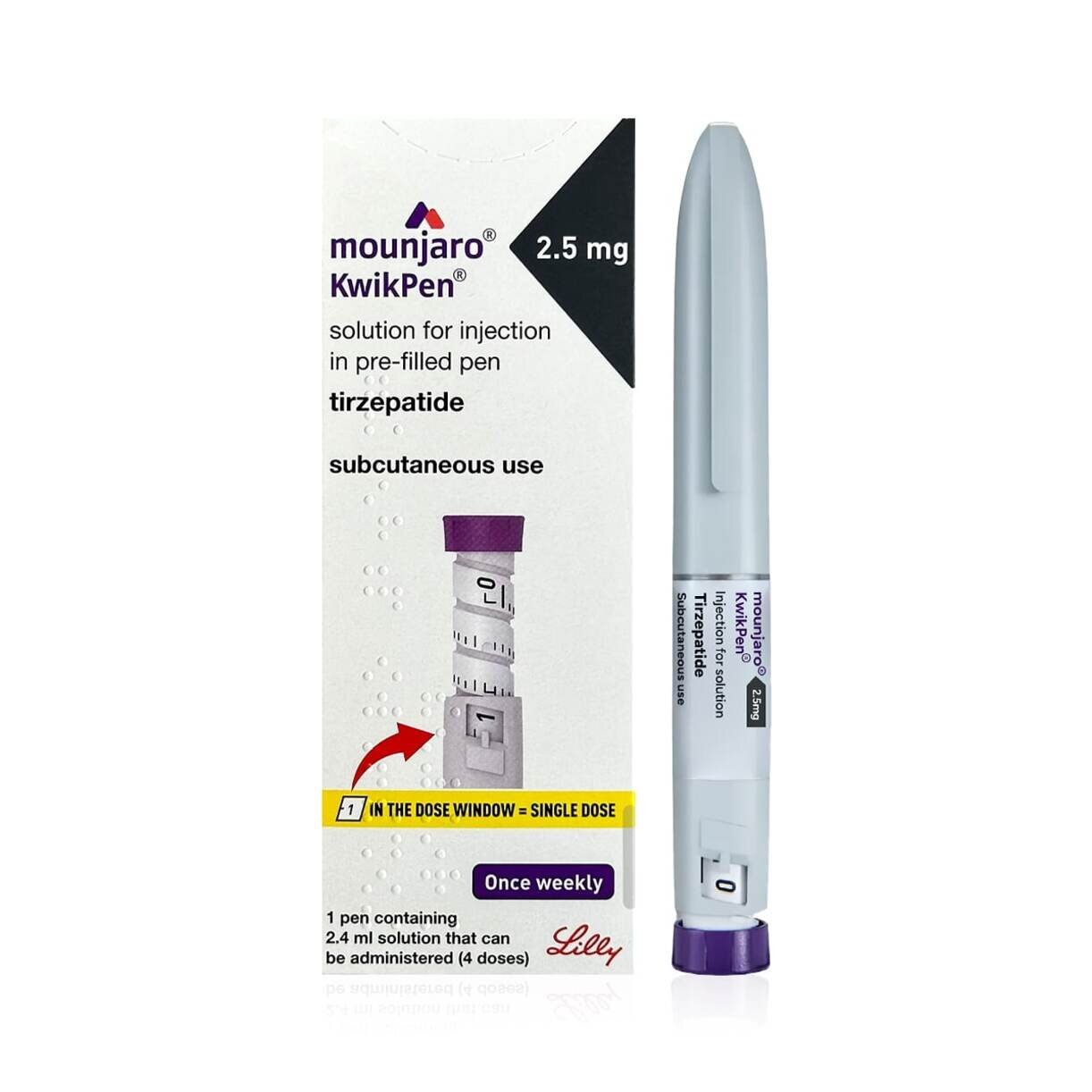
GLP-1 medications are one of the most effective clinical options for weight loss today. Treatments such as Mounjaro, Wegovy, and Saxenda work by mimicking the GLP-1 hormone (and GIP in the case of Mounjaro) to target the brain's reward centre, which reduces cravings.
These injections reduce appetite and slow digestion, helping you feel full sooner and eat less without constant hunger.
Clinical trials show that these treatments can support significant weight loss when you combine them with lifestyle changes.
Weight Loss Pills
Pills such as Orlistat (Xenical and Alli) work differently. They reduce the amount of fat your body absorbs from food. Instead, you pass the extra through your digestive system.
Weight loss pills may be suitable if you prefer a non-injection option. However, the results are less dramatic than those you will see with injections.
Who They’re Suitable For
Weight loss medications are often recommended for adults who:
- Have struggled with weight gain despite lifestyle changes.
- Have a BMI of 30+ (obese), or 27+ (overweight) with a weight-related health condition such as hypertension or Type 2 diabetes.
- Want clinical support.
Curely offers UK-licensed, clinically proven treatments with a flexible subscription model. We can help you with your weight loss plan.
When to Consider Weight Loss Surgery
Weight loss surgery, or bariatric surgery, is an option when other methods have not been effective. It's recommended for adults who:
- Have a BMI of 35 or above with related health conditions such as high blood pressure.
- Have a BMI of 40 or above.
- Have struggled with long-term weight gain despite ongoing efforts.
There are different types of weight loss surgery, including gastric bypass and gastric sleeve procedures. They work by reducing the size of the stomach or changing how the body absorbs food, leading to reduced calorie intake and weight loss.
While surgery can be effective and offers rapid weight loss, it's a major medical procedure and comes with risks, including:
- Surgical complications.
- Nutritional deficiencies.
- Long-term lifestyle adjustments.
A comparison table of different weight loss methods.
| Method | Lifestyle Changes | Weight Loss Injections | Bariatric Surgery |
| Invasiveness | None | Low (Self-injection) | High (Major Surgery) |
| Typical BMI | Any | 27 - 30+ | 35 - 40+ |
| Reversibility | Fully reversible | Fully reversible | Mostly permanent |
| Primary Risk | Weight regain | Gastrointestinal side effects | Surgical complications |
Common Mistakes That Slow Down Healthy Weight Loss
- Skipping Meals: Skipping meals might seem like a quick way to reduce calories, but it often leads to overeating later in the day. This can slow your progress and increase cravings.
- Relying on Fad Diets: Fad diets restrict entire food groups, which can put you at a higher risk of nutrient deficiencies and eventual weight regain.
- Not Sleeping Enough: Poor sleep affects hormones that control hunger. When you’re tired, your body is more likely to crave high-calorie foods. Aim for seven to nine hours of sleep each night.
- Ignoring Stress: Stress can trigger emotional eating and disrupt your eating habits. Managing stress through techniques like walking and meditation can make a big difference. You can also join a support group.
- The Weekend Reset: Being very strict with lifestyle changes and regular physical activity on weekdays, then letting go over the weekend, can undo your progress.
- Liquid Calories: Some healthy smoothies and flavoured coffees contain as much sugar as soda. Plus, you can easily overindulge because you won't feel full.
Tips for Keeping the Weight Off
 [Photo by vaeenma on Canva.]
Build Habits
Long-term success is only possible if you adopt habits you can maintain. It's why restricting yourself completely from things like sugar may not always work. Instead of strict rules, focus on consistent behaviours like healthy eating and regular exercise.
Calorie Awareness
You don’t need to track everything forever, but staying aware of portion size and food choices helps prevent weight gain.
You can use the 80/20 rule, where you eat nutrient-dense whole foods 80% of the time and allow for your favourite treats the other 20%.
Also, base every meal around protein and fibre, as they make you feel full.
Continue Support
Ongoing support can help you stay on track. This might include continued use of medication under supervision and regular check-ins with a healthcare professional. You can also join weight loss groups with achievable goals, or ask friends and family to join you when working out.
How Curely Supports Your Weight Loss Journey
We are a UK-registered online pharmacy that specialises in medicated options to support your weight loss efforts. We offer treatments such as Mounjaro, Wegovy, and Saxenda, as well as weight loss pills.
Our process is flexible, focused on your comfort and privacy. Complete a quick online consultation, and based on your responses, a prescribing pharmacist will recommend the most suitable treatment for you.
There’s no need for GP appointments or pharmacy visits. Once you receive approval, we'll ship your medication straight to your door in discreet packaging. We also offer ongoing support during your treatment.
If you’re struggling with appetite, cravings, weight gain, or slow progress, start your consultation with Curely today.
FAQs
How Can I Lose Weight In 7 Days at Home?
Focus on reducing processed foodstuffs, eating whole foods, staying hydrated, and increasing physical activity. You may notice weight loss within seven days, but it's often water weight. Real weight loss comes much later (Months 3+), even with prescription injections such as Mounjaro.
How Can I Lose 10 Kgs In 2 Weeks?
Losing this amount in a short time is not considered safe because it can increase health risks and lead to muscle loss. If you have a deadline in two weeks, work on looking and feeling your best rather than hitting a specific number on the scale.
How To Speed Up Weight Loss?
You can improve results by increasing protein and fibre intake, staying physically active, getting enough sleep, reducing added sugar intake, and managing your stress. You should also consider clinical support if you're eligible.
What Kills Belly Fat Naturally?
There’s no way to target fat in one area. Overall weight loss through diet, exercise, and lifestyle changes will gradually reduce belly fat. However, you can help your body burn more fat by managing stress, since it triggers cortisol, which is linked to increased abdominal fat.
Final Thoughts
The most effective way to lose weight fast is by combining a calorie deficit, healthy eating, regular exercise, and consistent habits. Avoid fad diets, quick fixes, skipping meals, and other habits that slow down your progress.
Also, it's worth considering clinically proven treatments from Curely if you're struggling to lose weight despite making these lifestyle changes.
References
- NHS. “Treatment - Obesity.” NHS, NHS, 2023.
- Wing, R. R., et al. “Benefits of Modest Weight Loss in Improving Cardiovascular Risk Factors in Overweight and Obese Individuals with Type 2 Diabetes.” Diabetes Care, vol. 34, no. 7, 18 May 2011, pp. 1481–1486.
Explore similar blogs
Tirzepatide vs Semaglutide: Key Differences & Selection Guide
GLP-1 Tablets vs Injections: Which Is Right for You?
What's the New Weight Loss Pill? Wegovy, Foundayo, and What’s Next
Cialis vs Viagra: The Key Differences Explained
Wegovy Tablets Price UK: What Does the Wegovy Pill Cost?