
It’s normal to wonder whether your current Mounjaro dose is right for you, especially if your weight loss progress is slowing down and your appetite is coming back.
Not everyone needs a higher dose, but if you do, it's important to speak with your healthcare provider. Mounjaro doses usually increase gradually, because your body needs time to adjust. Your prescriber should start you at 2.5mg once weekly for 4 weeks, then move to 5mg. Further 2.5mg increases should happen after at least 4 weeks on the current dose, and only if needed. The maximum dose should be 15mg once weekly.
This guide explains when to increase your Mounjaro dose for weight loss and what to expect regarding side effects.
Key Takeaways
- Mounjaro usually starts at 2.5mg once weekly to help your body adjust to the medication.
- Dose changes are normally spaced at least 4 weeks apart.
- Side effects, appetite changes, weight loss progress, and overall health can help determine whether you need a higher dose.
- Only change your dose under clinical guidance.
- A higher dose doesn’t always mean more weight loss.
How Mounjaro Dosing Works for Weight Loss
Mounjaro is a weekly weight loss injection containing tirzepatide. It affects appetite regulation by acting on GIP and GLP-1 receptors. Taking Mounjaro can help you feel fuller and reduce food cravings. It supports weight management alongside diet and lifestyle changes.
Mounjaro also has benefits such as:
- Better Blood Sugar Control: It stops your blood sugar from spiking and crashing. This prevents a shaky, super-hungry feeling.
- Helps the Heart: It can lower blood pressure and reduce harmful cholesterol, which helps keep the heart healthy.
- Protects the Liver: It reduces extra fat that can build up around the liver.
- Steadier Energy: Because it helps your body use food better for fuel, you feel less sluggish after eating.
Why Mounjaro Starts at 2.5mg
The starting dose for Mounjaro is 2.5mg once a week. Prescribers put you on the lower dose first to give your body time to adjust before you move to a treatment dose.
Like other weight loss injections, Mounjaro affects the way your digestive system works. You may experience side effects such as nausea, diarrhoea, reflux, and constipation. Starting on the lowest dose can help reduce the severity of these side effects.
You may notice little weight loss during this stage, but the goal is usually to help your body get used to the medication.
Standard Mounjaro Titration Schedule
Your prescriber usually increases your Mounjaro dose over several weeks through a process called titration. This is the safest way to reach the best dose for your weight loss journey.
Prescribers increase the amount every four weeks by 2.5mg until you reach your maintenance dose. A standard Mounjaro dosing schedule looks like this:
| Treatment Stage | Weekly Dose | Typical Timing |
| Starting dose | 2.5mg | First 4 weeks |
| First treatment dose | 5mg | From week 5 |
| Possible next dose | 7.5mg | After at least 4 weeks on 5mg |
| Possible next dose | 10mg | After at least 4 weeks on 7.5mg |
| Possible next dose | 12.5mg | After at least 4 weeks on 10mg |
| Maximum maintenance dose | 15mg | After at least 4 weeks on 12.5mg |
Note that you don't need to increase your dose every four weeks. If your current amount is working just fine, you can stay on it for months. The recommended maintenance doses for adults are 5mg, 10mg, 12.5mg, and 15mg.
Signs You Should Increase Your Mounjaro Dose
You may be ready for a dose increase if:
You’ve Completed at Least 4 Weeks On Your Current Dose
Changes should occur only after four weeks on your current dose. This gives your body time to respond and helps your prescriber determine if the medication is working. Avoid changing your dose early just to lose weight faster. Wait a few weeks, then speak to your prescriber.
Weight Loss Has Slowed
Weight loss is never steady. In some weeks, you'll lose a lot of weight, and in others, your numbers will barely move. When your weight remains roughly the same for three to four weeks despite consistent healthy habits, such as a good diet and regular exercise, you may be experiencing a weight-loss plateau.
Plateaus happen because your body responds to reduced food intake by trying to protect your current weight. The body can slow its metabolism or burn muscle instead, reducing your daily calorie burn. When this happens, your prescriber may move you to the next dose.
Hunger is Returning
You should be able to eat small meals and feel satisfied. But if your hunger levels have undoubtedly increased, and you're eating more, it may be time to go to the next dose. Another sign is feeling less satisfied after meals. This shouldn't be happening on Mounjaro treatment, so speak to your prescriber.
More Food Noise
Food noise is frequent thoughts about food or cravings. If your cravings suddenly return, this can be a sign that you need to increase your dose.
Side Effects are Manageable
Before increasing your dose, make sure that your side effects are mild or manageable. A higher dose may worsen symptoms if you’re still experiencing nausea, vomiting, diarrhoea, constipation, or digestive discomfort.
Your Clinician Recommends It
The safest time to increase a Mounjaro dose for weight loss is when your prescriber recommends it. We at Curely always review your progress and increase your dose safely to support long-term health benefits.
How Healthcare Providers Decide Whether to Increase Your Dose
Prescribers look at the following before increasing your dose:
- Weight Loss Progress: They may ask how much weight you’ve lost, how quickly it happened, and whether your progress has changed recently.
- Hunger and Cravings: They’ll consider appetite control and food cravings. Your prescriber may ask whether you've been eating less or feeling satisfied after small meals.
- Side Effects: Your prescriber may delay increasing your dose or keep you on a lower one if you're still experiencing side effects.
- Overall Health Goals: Signs such as improved blood sugar control, cholesterol levels, blood pressure, and overall health may determine whether you need a dose increase.
Signs You Should NOT Increase Your Dose Yet
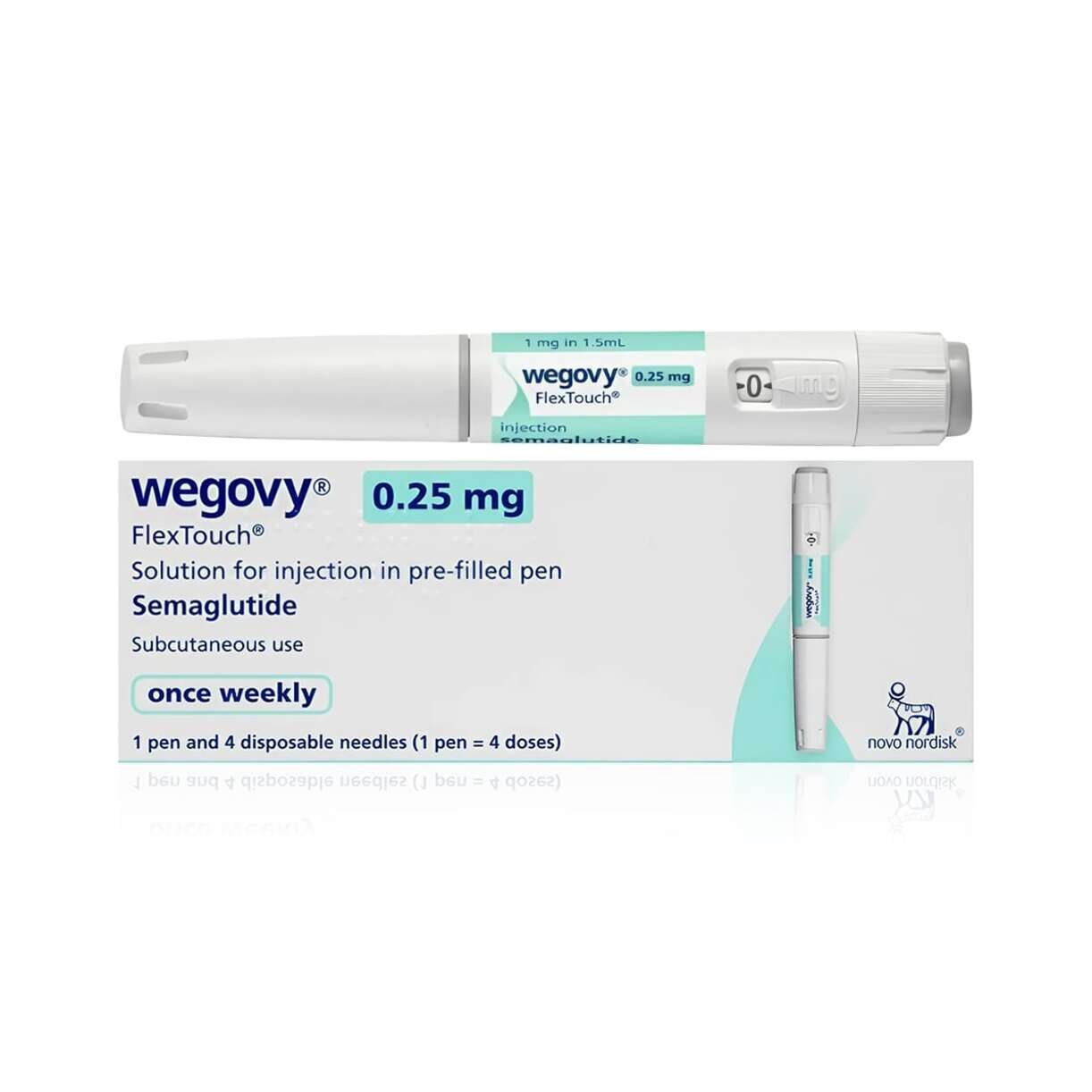
Wegovy injection
Supports appetite control and weight loss
View Wegovy OptionsA higher dose isn’t always the right move. The following are signs you should stay on your current prescription:
You’re Still Losing Weight Consistently
Your dose is working well if you’re still seeing steady weight loss. You don’t need to move up just because there's a higher strength. Many patients do well on a lower dose, especially if appetite suppression is good and side effects are minimal.
You’re Experiencing Side Effects
Never increase your dose while your body is still getting used to the medication. Side effects often become more severe after a new dose. Always speak to your prescriber before making any dose changes.
Your Plateau is Less Than Three to Four Weeks
A short stall in your weight loss is normal. Stress, poor sleep, muscle repair, and digestive issues can cause this. Don’t judge your progress by a single weigh-in. A true weight loss plateau lasts at least three to four weeks.
Lifestyle Habits Need Improvement
Before you increase your dose, make sure that you've adopted good habits. Mounjaro works best when you stick to a good diet and exercise. Check if you're doing the following:
- More Protein Intake: Protein helps you feel fuller and prevents muscle loss while losing weight.
- Higher Activity Levels: Walking, strength training, and other forms of exercise support sustainable weight loss.
- Better Sleep Quality: Poor sleep can increase hunger and cravings. Get enough sleep each night.
- More Hydration: Low fluid intake can worsen constipation and make you feel tired or hungry. Drink more water and herbal teas when taking Mounjaro.
What Happens After a Mounjaro Dose Increase?
Most people experience the following when moving to a higher dose:
- Appetite: Some people experience fewer cravings within the first week of a new dose. Even as your appetite reduces, you should still be able to eat. Aim for consistent meal timing.
- Weight Loss: A new dose may help you lose more weight if your previous dose was no longer working. However, you should still have lifestyle changes in place to support weight loss.
- Side Effects: Nausea, constipation, diarrhoea and reduced appetite can increase after a new dose. These side effects eventually settle, but if you experience severe symptoms such as difficulty breathing, stop treatment and seek medical assistance.
- Results Timeline: Give your new dose a few weeks to see results. Your body may just need some time to adjust.
Higher Mounjaro Doses Don't Always Mean More Weight Loss
A higher strength may support more weight loss for some people, but it isn’t a guarantee. Your response depends on many factors, including:
- Starting weight
- Calorie intake
- Activity levels
- Sleep
- Stress
- Side effects
The right dose for you is the lowest amount that helps you see good weight loss results while keeping side effects manageable.
According to the SURMOUNT-1 study published in The New England Journal of Medicine, a person can lose an average of 15% to 16% of their total body weight on the lowest official therapeutic dose (5 mg) of Mounjaro, without ever needing to go up to the higher doses.
The same study showed that people on the 10mg dose lost an average of 19.5% to 21.4% of their body weight, while the maximum maintenance dose of 15mg triggered a loss of about 20.9% to 22.5% of body weight.
What is a Mounjaro Maintenance Dose?
[Photo by Karola G on Canva].
A Mounjaro pen maintenance dose can have two meanings depending on where you are in your weight loss journey, as follows:
1. Active Weight Loss Maintenance Dose
While you are still trying to lose weight, your maintenance dose is the one you settle on for months at a time because it's working well. It keeps your appetite under control and helps you lose weight steadily. You may experience side effects, but they should be easy to handle.
2. Weight Management Maintenance Dose
Once you reach your goal weight, the meaning of this term changes. At this point, you're not trying to lose weight, but you want to prevent yourself from regaining it.
Your long-term maintenance dose is the amount of medicine needed to keep your weight completely stable. This often means staying on your final active dose. However, some people may need a lower one or a change in how often they take the shot.
Different Mounjaro doses can be a maintenance dose depending on factors such as starting weight and how well you respond to the medication.
Work With Curely For Safe Mounjaro Dosing
Curely offers UK-licensed weight loss treatments.
Our process is simple: we start with a quick online consultation where you answer questions about your weight and health. A qualified medical professional will review your answers to determine if Mounjaro is suitable for you. Once you receive approval, we'll dispense and ship your treatment with no branding on the box or receipts.
Our weight loss service also includes dosage schedule adjustment. We'll offer support throughout your treatment plan, making sure your dose only increases when you're ready. And if Mounjaro isn't right for you, we offer other options such as Wegovy. We also have weight loss pills for people who feel nervous around needles.
Your health is our top priority at Curely. Start your weight loss journey safely with our services today.
FAQs
Should I Increase My Mounjaro Dose If Weight Loss Slows Down?
Not straight away. Weight loss can slow for a few weeks because of water retention and other factors. It doesn't mean that you should increase your dose of Mounjaro right away. Speak to Curely if your weight has stayed the same for three to four weeks and your hunger has returned. We can review your current amount and habits before recommending an increase.
Can I Stay On 5mg Mounjaro If It’s Working?
Yes. A prescriber may recommend staying on the 5mg if it's helping you lose weight, and your side effects are manageable. You don’t have to move up automatically after four weeks.
Will Increasing My Mounjaro Dose Speed Up Weight Loss?
It may help if your current dose is no longer giving enough weight loss results. However, a higher dose doesn’t guarantee faster weight loss. Factors such as diet, activity levels, sleep, and consistency in good habits can affect how quickly you lose weight.
Can I Skip Straight to a Higher Mounjaro Dose?
You can't skip to a higher amount without clinical guidance. The medication affects your digestive system, leading to side effects such as nausea and diarrhoea. Skipping to a higher dose can cause severe symptoms. Instead, follow the Mounjaro dosage chart under the advice of your prescriber.
What’s The Highest Mounjaro Dose Available?
The maximum dose for adults is 15mg once weekly. However, not everyone needs this amount. Many patients use a lower strength and still see significant weight loss.
What Should I Do If I Miss a Mounjaro Dose?
Take it as soon as you remember, as long as it’s within four days (96 hours) of your usual injection time. Then continue with your normal weekly dosing schedule.
If more than four days have passed, skip the missed dose and take your next one on your usual day. Never take two doses close together; there should be at least three days between injections.
Conclusion
There are some key considerations prescribers go through before they can increase your Mounjaro dose. They include how well you're responding to the medication, your weight loss progress, how hungry you feel, and the severity of your side effects.
A higher dose may help some people, but it isn’t always better. Staying on the same dose may be the right choice if you’re still losing weight and managing hunger. Avoid increasing your Mounjaro dose without clinical support, as it can lead to severe side effects.
Curely can help determine the best dosing schedule for you, ensuring you lose weight consistently and safely.
References
- Jastreboff, Ania M., et al. “Tirzepatide Once Weekly for the Treatment of Obesity.” New England Journal of Medicine, vol. 387, no. 3, 4 June 2022, pp. 205–216.
Explore similar blogs

Wegovy Cost Per Month UK: How Much Is Wegovy in 2026?

Tirzepatide vs Semaglutide: Key Differences & Selection Guide
GLP-1 Tablets vs Injections: Which Is Right for You?
What's the New Weight Loss Pill? Wegovy, Foundayo, and What’s Next
Cialis vs Viagra: The Key Differences Explained