
Many people taking Mounjaro to lose weight often experience side effects such as nausea and diarrhoea. They will likely be told that any common side effects of Mounjaro are temporary. As your body adjusts, your side effects should get better. But how long will they last?
According to a study on the adverse events related to Tirzepatide (the active ingredient in Mounjaro), gastrointestinal side effects are common and tend to decrease over time, especially once you move past the dose increase phase.
This guide goes deep into the topic of Mounjaro side effects, explaining how long they usually last, what can prolong their duration, and when you should speak to a healthcare professional.
You’ll also learn how to manage your symptoms at home and what's considered an adverse effect when taking Mounjaro.
What Side Effects Are Normal on Mounjaro?
The most common side effects people notice are:
- Nausea
- Diarrhoea
- Vomiting
- Constipation
- Indigestion or reflux
- Reduced appetite
- Injection site reactions
According to the study on the side effects of Tirzepatide, nausea and diarrhoea are among the most frequently reported problems. Vomiting, constipation, abdominal discomfort, and reduced appetite are also possible side effects, and these are typically mild to moderate.
Why Mounjaro Causes Digestive Side Effects
Mounjaro is a weight loss injection that works by affecting two natural hormones (GLP‑1 and GIP) involved in appetite, digestion, and blood sugar regulation. Already designed for type 2 diabetes, Mounjaro also helps with weight loss by slowing gastric emptying (how quickly food leaves the stomach). This is intended to help you feel fuller for longer, but, unfortunately, it also means that you may feel sick or bloated, or experience other side effects.
How Long Do Mounjaro Side Effects Last? Symptom-By-Symptom Timeline
Mild side effects of Mounjaro treatment usually settle in a few days to a few weeks for most patients. The exact timeline depends on the symptom, the dose, and how your body responds.
Duration for Common Side Effects
| Side Effect | When it Starts | How Long it Lasts | What Usually Helps |
| Nausea | After starting or after dose increases | A few days to around two weeks | Smaller meals, bland foods, slower eating |
| Diarrhoea | Early in treatment or soon after a higher dose | A few days to one week, sometimes longer | Drinking plenty of fluids, simple foods, and avoiding greasy meals |
| Vomiting | Usually, alongside nausea in the adjustment phase | Often short-lived, but needs attention if ongoing | Small sips of fluid, medical advice if persistent |
| Constipation | Can build over days | Sometimes longer than nausea | Fluids, fibre if tolerated, movement |
| Injection site reactions | Soon after the jab | Often one to three days | Rotating sites, avoiding irritated skin |
Nausea and diarrhoea usually appear first for most Mounjaro users, followed by constipation and vomiting. Injection site irritation usually improves quickly unless you keep injecting the same area.
Why is the Timeline Different?
How long your side effects last usually depends on factors such as the dosage, existing digestive issues, hydration levels, and the size of your meals. Also, sensitivity to tirzepatide varies among people, with some recovering in a few days and others taking much longer.
When Do Mounjaro Side Effects Start?
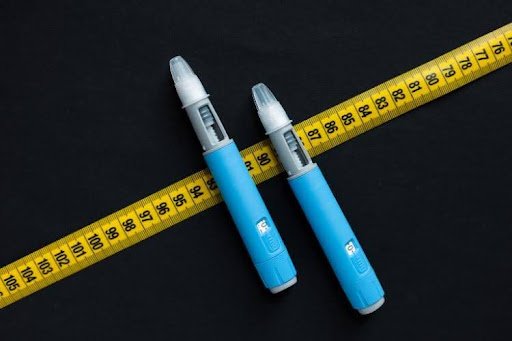
Many people notice side effects within the first few doses, but it doesn’t automatically mean the medication is wrong for you. Instead, it's most likely that your body is adjusting to a treatment that changes appetite signals, digestion, and blood sugar.
What Happens During Dose Escalation
Mounjaro treatment usually begins at 2.5 mg, then your prescriber gradually increases it. This slow step-up is necessary because each increase can trigger another adjustment period. Therefore, side effects may flare again for a few days or longer.
The same study on the effects of Tirzepatide notes that nausea, vomiting, and diarrhoea are more common during dose escalation and decrease over time.
Stable Dose Vs. Adjustment Phase
Once you’ve stayed on the same dose of Mounjaro for a while, side effects often settle. If symptoms keep returning or get worse every time you move up, it may be a sign that you need to review the medication.
This is why working with a certified provider such as Curely, under a healthcare professional, is important. We’ll ensure flexible dose reviews and support.
What Can Make Mounjaro Side Effects Last Longer?
Most Mounjaro side effects go away after some time. However, some last longer because of what you eat, how much you drink, your existing health, and how quickly you move through treatment.
Food and Hydration Factors
Large meals, greasy takeaways, spicy meals, and alcohol can all increase nausea or diarrhoea. Also, not drinking enough water can make you feel worse, especially if you’ve been vomiting or experiencing diarrhoea.
Medical and Medication Factors
You're at a higher risk of prolonged side effects if you already have digestive problems. Other diabetes medications can also affect blood sugar and symptoms.
You're more likely to have low blood sugar when you use Mounjaro with insulin and other medications that increase insulin release. This manifests as dizziness, shakiness, and sweating. Seek medical care if you experience these symptoms.
According to an article on tirzepatide by Khashayar Farzam and Preeti Patel, people with a personal or family history of medullary thyroid carcinoma (a rare and aggressive cancer caused by sporadic mutations or hereditary syndromes) also need careful review.
Other Factors
Stress, poor sleep, and irregular eating can make stomach symptoms worse. Eating too little during the day and then having one large meal later can also be hard on your stomach.
Are There Long-Term Side Effects of Mounjaro?
The common digestive side effects of Mounjaro are usually short-term. According to a discussion aid by NICE, the rare but serious side effects of this weight loss drug are still under discussion, as are the long-term effects on health and nutrition.
However, this should not deter you from this or other weight loss injections like Saxenda and Wegovy. Instead, you should always use Mounjaro under clinical guidance. Medical oversight helps to determine if your side effects are normal, and if you stop/switch treatment.
How to Manage Mounjaro Side Effects Safely at Home
You can often ease mild side effects with a few adjustments, including:
Food Strategies
Eating smaller meals will help manage side effects. Also, eating slowly and stopping before you feel full can help.
Eat plain foods such as rice and toast if you're struggling with nausea or if your stomach feels heavy. Avoid spicy and high-fat foods because they can make your symptoms worse.
Hydration Strategies
Always stay hydrated when taking Mounjaro. Sip clear fluids regularly and avoid drinking a lot at once. If you’ve had diarrhoea or vomiting, you can drink fluids with electrolytes. Also, speak to your local pharmacist about oral rehydration salts.
It's easy to become dehydrated on Mounjaro, especially if you're eating less. Be on the lookout for symptoms such as dry mouth, fatigue, dizziness, and dark urine.
Habits That Make Treatment Easier
- Take your dose on the same day each week.
- Keep a symptom diary so you can spot patterns after certain meals or after dose increases.
- Rotate injection sites to reduce reactions.
- Don’t change your dose without clinical guidance
- Speak to your medical provider if you're thinking about stopping Mounjaro.
When a Dose Review May Help
A dose review can help if you're still struggling with side effects even after a few weeks have passed. Also, consider a review if your symptoms are affecting food intake, sleep, or your mental health.
Forcing yourself through the ongoing symptoms could make you miss serious side effects or encourage you to stop treatment because it becomes too much. You may also suffer from appetite loss that leads to food aversion.
Important to Note: If you’re comparing weight loss injections with weight-loss pills, tolerability is one of the things worth discussing during your consultation.
When To Speak To a Clinician About Mounjaro Side Effects

Mild nausea, brief diarrhoea, reduced appetite, and short-lived stomach discomfort are often uncomfortable but manageable.
Many people improve within a few weeks. If you can still drink fluids and your symptoms are easing, then you shouldn’t need to stop or pause your injections.
Speak to a healthcare professional if you have:
- Repeated vomiting
- Trouble keeping fluids down
- Constipation that doesn’t improve
- Side effects that last longer than expected
- Symptoms that make everyday life difficult
- Severe abdominal pain
It's also worth noting that some people experience serious but rare side effects of Mounjaro. Rare cases often show the following:
- Signs of Pancreatitis: It manifests as severe abdominal pain that radiates to your back and doesn’t go away.
- Signs of Hypoglycemia: Low blood sugar, which is more likely to affect people taking insulin or sulfonylureas. Symptoms can include shakiness, sweating, confusion, and dizziness.
- Gallbladder Issues: Pain in the upper right side of your abdomen, sometimes with fever or nausea.
- Kidney Problems: Can result from severe dehydration due to persistent vomiting or diarrhoea.
- Allergic Reaction: Swelling of the face or throat, or difficulty breathing.
Seek immediate medical attention if you experience any of these side effects.
Alternatives for Persistent Mounjaro Side Effects
If your side effects don't improve, there are still options. A clinician can suggest the following based on your symptoms and progress:
- Dose Adjustment or Slower Titration: Some people simply need more time at the same dose before moving up. This option can be safer and more realistic than pushing forward on a schedule that doesn’t work for you.
- SwitchingTreatments: Your clinician may determine that the treatment is not the right fit for you and instead prescribe Mounjaro alternatives such as Wegovy and Saxenda. These weight loss injections may suit you better. Contact Curely if you're thinking about switching to a different weight loss medication.
Curely Online Pharmacy for Mounjaro Weight Loss Support
We offer ongoing support to people who want to start Mounjaro or switch to a different treatment. Curely also helps people who don't qualify for Mounjaro, such as those with a history or increased risk of thyroid cancer.
Our process is simple, starting with an online consultation guided by a medical expert. After we confirm eligibility, you'll receive your medicine straight to your door. Everything is discreet, including packaging and receipts.
Curely also offers flexibility, so that your treatment fits around real life rather than the other way round. Let us support your weight loss journey; get started with Curely today.
FAQs
How Long Do Mounjaro Side Effects Last After The First Dose?
Clinical trials show mild side effects start early and often improve within a few days to a couple of weeks. After your first dose, you may notice nausea, diarrhoea, fewer food cravings, or a reduced appetite. These effects often ease as your body adapts.
How Long Does Mounjaro Stay In Your System?
Tirzepatide can remain in your system for several weeks after your last dose. That’s one reason some people's side effects may take time to fully settle after stopping.
Is Fatigue A Side Effect Of Mounjaro?
According to a booklet on GLP-1 agonists, some people report feeling tired when taking Mounjaro. However, fatigue isn’t always the headline symptom. It can be due to eating less, dehydration, or adjusting to treatment. Speak to a healthcare professional if it's persistent.
What Are The Worst Side Effects Of Mounjaro?
The worst side effects of Mounjaro are often rare but serious. They include: pancreatitis, serious allergic reaction, severe stomach pain, gallbladder disease, severe dehydration, and low blood sugar. If you experience any of these symptoms, speak to a medical professional.
How Long After Taking Mounjaro Do You Feel Sick?
You may experience nausea and other symptoms within the first few days after your injection, or after dose increases. Nausea can begin within 24 to 72 hours of the injection and last one to two weeks. It usually improves as your body adjusts. If it keeps returning strongly after each dose or doesn’t settle after a few weeks, speak to a healthcare professional about adjusting your treatment.
Conclusion
The side effects of Mounjaro are temporary for most people. Mild nausea, diarrhoea, constipation, reduced appetite, and injection site reactions usually occur after starting treatment or during dose increases. However, they improve over a few days or a few weeks as your body adjusts.
Speak to your clinician about a dose review or a different treatment if your symptoms aren’t settling. Curely offers support to people using Mounjaro and other weight-loss medications under medical oversight. Reach out to us for any adverse side effects or concerns about using Mounjaro.
References
- Mishra, Rahul, et al. “Adverse Events Related to Tirzepatide.” Journal of the Endocrine Society, vol. 7, no. 4, 26 Jan. 2023.
- Farzam, Khashayar, and Preeti Patel. “Tirzepatide.” PubMed, StatPearls Publishing, 2024.
- “Diabetes Medicines: GLP-1 Agonists - Overview.” Guy’s and St Thomas’ NHS Foundation Trust.
- NICE. “Overview | Tirzepatide for Managing Overweight and Obesity | Guidance | NICE.” NICE, 23 Dec. 2024.
Explore similar blogs
Cialis vs Viagra: The Key Differences Explained

Wegovy Tablets Price UK: What Does the Wegovy Pill Cost?

Sildenafil vs Viagra: What Is the Difference?
Retatrutide Side Effects: What the Clinical Trials Have Found So Far

Bolt Pharmacy Mounjaro Prices: How Much Does It Cost in the UK?