
When you stop taking Mounjaro, what happens depends on your health, dose, and treatment goals. While it doesn't cause traditional withdrawal symptoms, your body will recalibrate. You'll notice changes in appetite, cravings, digestion, weight, and blood sugar.
This guide explains what happens when you stop taking Mounjaro, how long changes may take, and what research suggests about weight regain. It also offers practical tips to help you maintain your progress.
As a general rule, always consult your doctor, pharmacist, diabetes nurse, or prescribing clinician before stopping, restarting, or changing the dose.
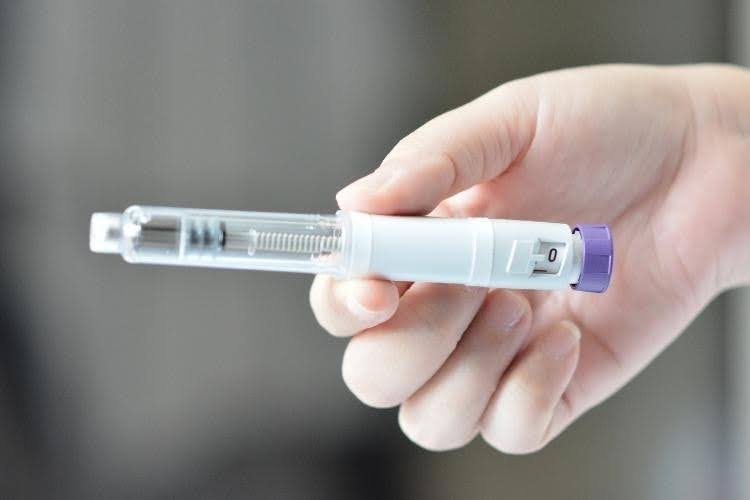 [Image by Moderngolf via Canva]
What Is Mounjaro, and What Happens When You Stop Taking It?
Mounjaro contains tirzepatide, an active ingredient used as a weight-loss injection for eligible individuals and to treat Type 2 Diabetes. The National Health Service (NHS) England recommends using tirzepatide alongside a balanced, reduced-calorie diet and regular physical activity to maintain health gains.
When you stop taking Mounjaro, its effects gradually wear off. This means the appetite control, slower digestion, and blood sugar regulation experienced during treatment reduce over the following weeks.
The most common changes include:
- The return of "Food Noise": Constant, intrusive, or obsessive thoughts about food.
- Increased Hunger and Cravings: A noticeable rise in appetite and genuine hunger as the medication’s hormonal suppression fades.
- Digestive System Changes: Mounjaro slows gastric emptying. When you stop taking it, your digestive speed will return to normal, which affects how full you feel after meals.
- Weight Regain: The potential for weight regain if the calorie deficit isn't maintained through other means.
- Blood Sugar Fluctuations: Particularly critical for those with Type 2 Diabetes, as the body loses the insulin-sensitising effects of tirzepatide.
Mounjaro mimics GLP-1 and GIP hormones that regulate hunger and fullness signals. As its effects wear off, appetite, cravings, digestion, and blood sugar control gradually return closer to your pre-treatment pattern.
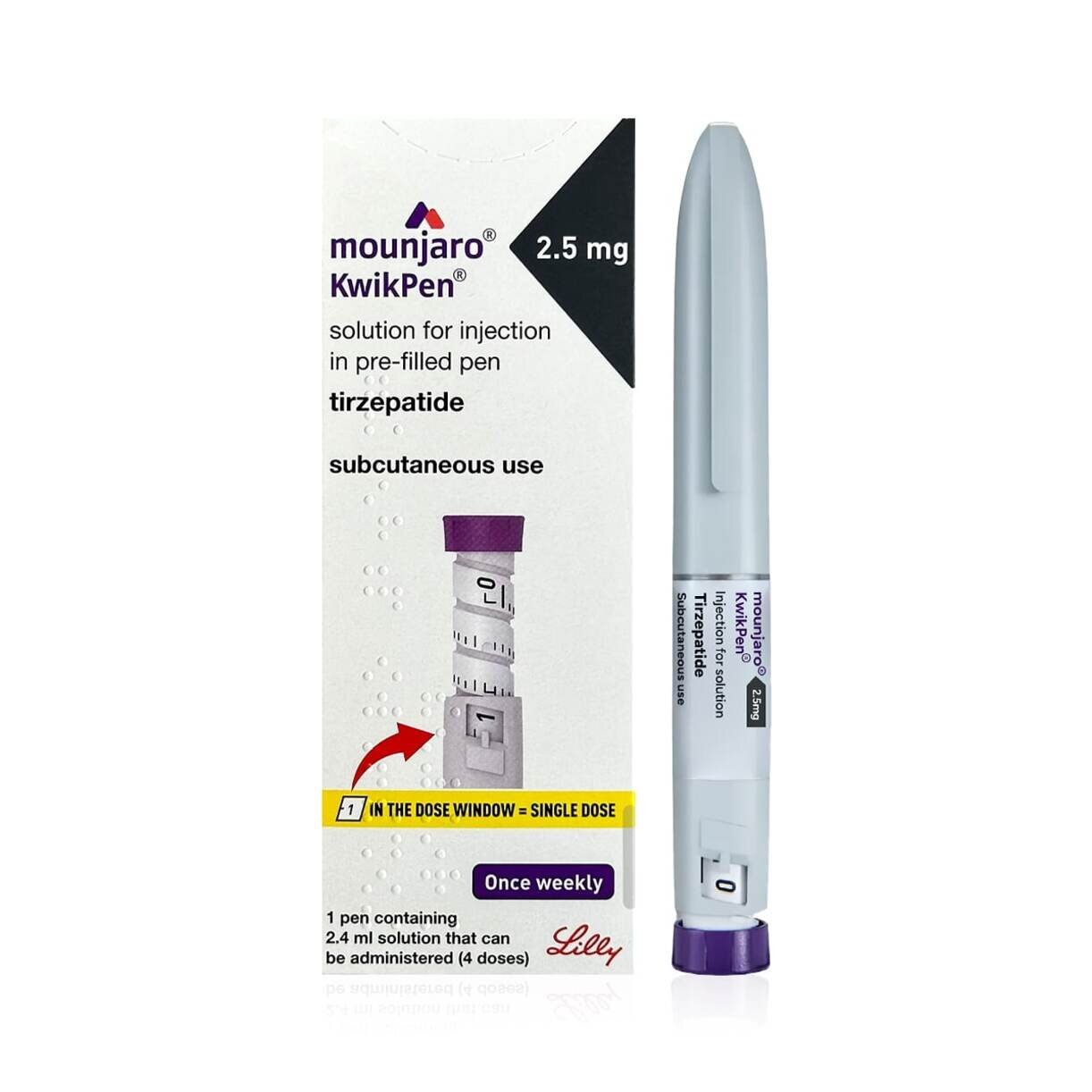
Mounjaro Withdrawal vs Rebound Effects
People often search for “Mounjaro withdrawal symptoms”, but this phrase is misleading. Mounjaro doesn't cause classic withdrawal symptoms like some medicines or substances. What most people experience is a rebound effect.
When the hormonal support of tirzepatide wears off, your food noise and hunger signals simply switch back on.
Here’s a quick comparison between classic withdrawal and Mounjaro rebound symptoms:
| Feature | Classic Withdrawal | Mounjaro Rebound |
| The Cause | Physical dependence, and the body "crashes" without the substance. | The loss of hormonal suppression as the body returns to normal. |
| Typical Symptoms | Shaking, headaches, nausea, or intense drug cravings. | Return of "food noise," sharper hunger, new weight regain, and rising blood sugar. |
| Timeline | Often starts within 24-48 hours of the last dose. | A gradual onset over 2-4 weeks as the medication leaves the system. |
| How It Ends | Symptoms fade once the substance is out of the system. | Effects persist unless you address them through medical or healthy lifestyle changes. |
What Happens as Mounjaro’s Effects Wear Off
Mounjaro acts on two hormone pathways. These include glucagon-like peptide-1 (GLP-1) and glucose-dependent insulinotropic polypeptide (GIP). These hormones are involved in appetite, fullness, digestion, and blood sugar control.
Mounjaro mimics GLP-1 and GIP in the body. The hormone-like effects help slow digestion, increase feelings of fullness, and reduce food cravings. It also helps your body release insulin when the blood sugar level is high.
When you stop treatment, that hormonal support fades. Appetite signals can return, fullness may not last as long, and blood sugar control may become harder for some people.
Important Safety Note: If you want to stop taking Mounjaro safely, speak to your prescriber, especially if you use it for type 2 diabetes or take insulin, sulphonylureas, or other medications that affect blood sugar.
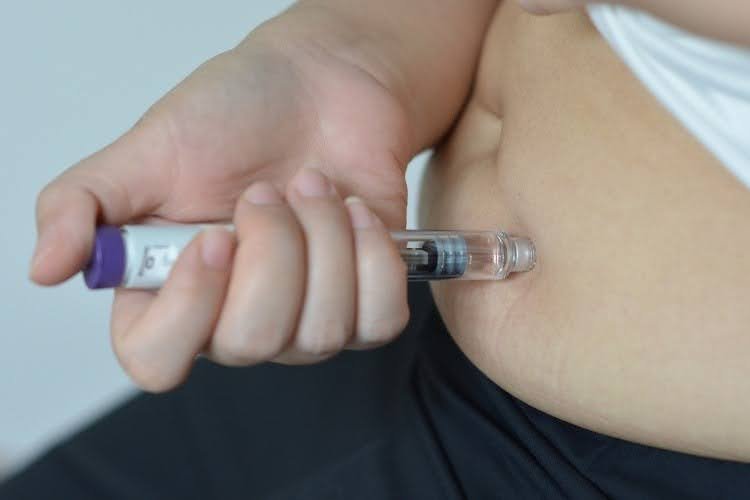 [Image by Moderngolf via Canva]
How Long Does Mounjaro Stay in Your System?
Mounjaro leaves the body gradually. According to the UK Summary of Product Characteristics (SmPC), tirzepatide has a half-life of around 5 days. This is why you're required to inject it once a week.
A half-life is the time it takes to reduce the amount of medicine in your body by half. For example, if you have 10mg in your system today, in five days you'll have 5mg left. Five days after that, you'll have 2.5mg, and so on, until the levels are too low to affect your appetite or blood sugar.
Here's a general timeline after your final dose.
| Time After Final Dose | What You'll Notice |
| First 1 to 2 weeks | Appetite suppression may still be present. If you had medicine-related side effects, these may start to improve. |
| Weeks 2 to 4 | The effects largely wear off for many people. Weight maintenance habits become more important here. |
| Weeks 4 to 6 | The effects largely wear off for many people. Weight maintenance habits become more important here. |
| After 3 Months and Beyond | The risk of weight regain becomes clearer. People with diabetes may notice changes in blood sugar control. |
The first 1 to 2 weeks
During the first week or two, you'll still feel some appetite suppression. If you had side effects such as nausea, diarrhoea, constipation, or stomach discomfort, these may start to improve. This period can feel deceptively easy for some people. Because Mounjaro is still leaving your body, hunger doesn't return straight away.
Weeks 2 to 4
Many people notice their appetite increasing during this stage. You may start thinking about food more often, feel less satisfied after meals, or find portion sizes creeping up. Food noise can also return. This may feel frustrating if Mounjaro made eating feel calmer or easier to manage.
Weeks 4 to 6
By four to six weeks, Mounjaro’s effects largely wear off for many people. This is often when healthy habits matter most. If you have type 2 diabetes, check your blood sugar levels more closely. Talk to your prescriber to review your medication plan.
Around 3 Months and Beyond
Over the next few months, weight after stopping Mounjaro can become more variable. Some people maintain most of their weight loss, while others regain weight.
If you're using Mounjaro to control blood sugar, HbA1c may also change over time. This is why medical follow-up is very important after you stop taking the medication.
 [Image by Corina Ciocirlan's Images via Canva]
Will You Gain Weight After Stopping Mounjaro?
Weight gain is common after you stop taking Mounjaro, but not guaranteed. How much weight you regain after stopping Mounjaro can depend on:
- How your appetite changes
- Your activity levels
- What you eat day to day
- Your sleep and stress levels
- Your medical history
- The follow-up support you have in place
- Stopping suddenly or pausing treatment for a short time
- Restarting treatment later
- Moving to another weight loss treatment
- Using a lower maintenance dose under clinical guidance
Many people regain some weight after stopping Mounjaro, as their bodies adjust without the same hormonal support.
When you lose weight, your body often tries to protect its previous weight. Hunger hormones increase, fullness signals decrease, and your body becomes more efficient at using energy. This makes maintaining weight loss harder than losing weight in the first place.
Research on Weight Regain After Stopping Mounjaro
Research shows that continuing the Mounjaro maintenance dose helps maintain weight loss, while stopping can lead to weight regain. In the SURMOUNT-4 trial, adults with obesity or overweight who completed an initial 36-week tirzepatide treatment period lost an average of 20.9% of body weight. After randomisation, those who switched to placebo regained 14% of weight during the following 52 weeks, while those who continued tirzepatide lost an additional 5.5%.
Another analysis from the JAMA Network reported that most adults who stopped tirzepatide after initial weight loss regained weight, and greater weight regain was associated with reversal of cardiometabolic benefits. The British Heart Foundation also reported that around 82% of participants who stopped Mounjaro regained at least a quarter of the weight they had lost.
These findings sound worrying. But they also show why a maintenance plan, clinical support, and realistic lifestyle changes are important for your weight-loss journey.
How to Help Prevent Weight Gain
Checking your weight once or twice a week can help you spot small changes early without making it feel overwhelming. You can also track progress in the following simple ways:
- Measure your waist once a month
- Measure your body weight once or twice per week
- Notice how your clothes fit
- Pay attention to your energy levels
- Watch for changes in appetite
- Keep an eye on snacking patterns and unhealthy foods
If you regain some weight, don't see it as a failure. Your body is adjusting without the same support from Mounjaro, and healthy lifestyle changes to your routine can help you stay on track.
What Happens to Appetite, Food Noise, and Cravings?
Appetite is the first thing that changes after you stop taking Mounjaro. Hunger starts to feel more frequent, urgent, or harder to ignore.
Appetite Return Within a Few Weeks
Some people notice genuine hunger returning within two to four weeks of their final dose. Others may experience changes in appetite sooner or later, depending on the dose, treatment duration, and individual response.
Meals that used to feel filling may no longer keep you satisfied. This can lead to overeating, larger portions, or more evening snacking.
Food Noise Comes Back
Food noise means frequent thoughts about food. It can include thinking about your next meal, craving specific foods, feeling drawn to snacks, or finding it harder to stop once you start eating.
It can feel discouraging when food cravings return with a vengeance after you stop taking Mounjaro. It's often a biological response to when the medication leaves your system. Try not to give in, as they can break your willpower.
Practical Ways to Manage Hunger
The following practical changes can help you feel more in control:
- Eat protein at each meal, such as eggs, yoghurt, chicken, fish, tofu, beans, or lentils
- Add fibre-rich foods, including vegetables, pulses, oats, wholegrains, and fruit
- Avoid skipping meals to avoid overeating later
- Keep trigger foods less visible at home
- Plan filling snacks, such as Greek yoghurt, fruit with nut butter, boiled eggs, or hummus with vegetables
- Drink enough fluids, because you can confuse thirst with hunger
A healthy diet after stopping Mounjaro, regular meals, balanced portions, and enough protein and fibre are often more useful than strict rules.
Blood Sugar, Digestion, and Mood Changes After Mounjaro
When you stop taking Mounjaro, you might notice changes in blood sugar, digestion, energy, and mood. These changes vary. They're mild for some people and more noticeable for others.
Rising Blood Sugar Levels
If you take Mounjaro for type 2 diabetes, stopping medication makes blood sugar levels harder to control. Your blood sugar levels can increase, causing symptoms such as increased thirst, frequent urination, fatigue, blurred vision, and headaches.
That's why you need closer blood sugar checks. Speak to your GP, diabetes nurse, pharmacist, or prescribing clinician to review any other medications, especially if you have changed doses while taking Mounjaro. This is particularly important if you use insulin or a sulphonylurea for blood sugar control.
Digestive Changes
Mounjaro slows the rate at which food leaves the stomach. When you stop taking Mounjaro, your digestion returns to its previous pattern.
You'll notice:
- Bloating
- Gas
- Mild nausea
- Changes in bowel habits
- More hunger soon after eating
Digestive changes also relate to overeating, eating richer meals again, or changing your fibre intake abruptly. If you experience severe, persistent stomach pain, or pain accompanied by vomiting, fever, yellowing of the skin or eyes, seek urgent medical advice.
Mood, Fatigue, and “Mounjaro Blues”
Some people report low mood, irritability, anxiety, or fatigue after coming off Mounjaro. This is described informally as “Mounjaro blues”.
Research in this area is still limited, so it is important not to overstate the link. Mood changes can be related to blood sugar fluctuations, changes in appetite, fear of weight regain, disrupted routines, or the emotional pressure of managing weight.
If you experience low mood and fatigue for more than a couple of weeks, speak to a healthcare professional. Seek urgent emotional support if you're at risk of harming yourself.
Common Reasons Why People Stop Taking Mounjaro
People stop taking Mounjaro when it's no longer manageable or suitable. Common reasons include:
- Side effects such as nausea, vomiting, diarrhoea, constipation, or fatigue
- When you reach your goal or target weight
- Moving into weight maintenance
- Cost or access concerns
- Supply issues
- Pregnancy planning
- Surgery or medical procedures
- A prescriber advising a pause or change
- Feeling ready to manage weight without medication
If you want to stop because of any of these reasons, don't assume stopping is your only option. Discuss with your prescriber whether to continue your current dose, reduce it, switch to a different treatment, or take a planned break.
You can stop Mounjaro without a gradual dose reduction. However, the safest approach depends on your dose, side effects, medical history, diabetes status, other medications, and reason for stopping.
At Curely, we offer online consultations for Mounjaro to assess if it's still suitable for you. This ensures you receive UK-licensed, clinically proven medication and access to prescribing support without GP visits, doctor appointments, or trips to the pharmacy.
How to Maintain Your Results After Coming Off Mounjaro
Maintaining weight loss after Mounjaro is easier when you plan before your final dose. You can build healthy habits that work on normal weeks, as well as on busy, stressful, or low-motivation ones.
Create a Maintenance Plan Before Your Last Dose
Before stopping Mounjaro, consider the habits that supported your weight loss journey and the challenges that are harder to manage without the medication.
Create a realistic exercise plan and seek ongoing support from a pharmacist, GP, dietitian, or weight management service. NHS England recommends following a healthy, balanced diet and regular physical activity as part of safe weight management.
Consider Strength Training to Promote Muscle Growth
Weight loss includes both fat and muscle. Resistance training helps preserve muscle mass, support strength, and improve long-term function.
Aim for two to three strength training sessions per week. You can train with gym weights, resistance bands, bodyweight exercises, or guided home workouts.
If you're new to exercise, start gently. If you have pain, heart problems, high blood pressure, mobility issues, or other medical conditions, ask a healthcare professional what's safe for you.
Keep Movement Realistic
You don't need a perfect gym routine to maintain progress. Walking, swimming, cycling, classes, home workouts, gardening, and active commuting support weight maintenance. Regular moderate exercise is usually better than an intense plan that only lasts two weeks. Set a minimum target for difficult weeks. For example, a 20-minute walk after lunch or dinner is more realistic than long workouts every day.
Get Support When Cravings Are Hard to Manage
If food cravings, emotional eating, or food noise feel overwhelming, ask your clinical team for help. Support is a very important part of maintaining weight loss. Speak to a prescribing pharmacist, GP, dietitian, diabetes nurse, therapist, or join a structured weight management programme.
Can You Restart Mounjaro After Stopping?
You can restart taking Mounjaro, but with clinical guidance. Don't reuse old pens, restart at a higher previous dose, or change treatment without speaking to a prescriber.
Restarting Mounjaro depends on several factors, including:
- Your current weight and BMI
- Medical history
- Diabetes status
- Your previous dose
- Any side effects
- Pregnancy plans
- Other medications
- Current blood sugar levels
Restart at a Lower Dose
If you've been off Mounjaro, your body may no longer tolerate the same dose as before. Consult your prescriber to restart at a lower dose and reduce any side effects.
Don't assume your previous Mounjaro maintenance dose is still suitable if you stopped for several weeks, had side effects, or reached a higher dose before stopping.
If you want to check whether it's suitable again, start your quick online weight loss consultation now. Once our online doctor prescribes a dose for you, we’ll dispense and deliver treatment discreetly to your home or workplace.
When Restarting Mounjaro May Not Be Right
Don't restart Mounjaro if you're pregnant, trying to conceive, breastfeeding, or have severe allergic reactions. Also seek clinical advice if you have had pancreatitis, severe digestive problems, gallbladder symptoms, or worsening blood sugar control.
Frequently Asked Questions
Does Everyone Regain Weight After Stopping Mounjaro?
No, everyone responds differently. Weight regain is common after stopping Mounjaro, but the amount can vary. Your eating habits, activity levels, sleep, stress, medical history, and follow-up support can reverse your weight loss progress.
Don't stop taking Mounjaro immediately after attaining your goal weight. You may need ongoing support, lifestyle changes, or long-term treatment under clinical guidance.
Do You Need to Taper Off Mounjaro?
Some people can stop Mounjaro without tapering, but others need a personalised plan. The safest approach depends on your current dose, medical history, diabetes status, side effects, and treatment goals.
Always speak to your prescriber before stopping or changing your dose. If you have type 2 diabetes, your blood sugar levels may rise after stopping Mounjaro.
What Should You Eat After Stopping Mounjaro?
Focus on balanced, filling meals. Protein, fibre-rich carbohydrates, vegetables, wholegrains, and healthy fats can help you feel fuller for longer. Also, keep regular meal times and avoid extreme restriction. If you eat too little during the day, you'll feel hungrier later and end up eating more calories than planned.
Which Weight-Loss Medication Is Best?
The best weight-loss medication depends on your health, BMI, medical history, treatment goals, and any side effects you’ve had before. Mounjaro is suitable for eligible adults.
NICE recommends tirzepatide as an option for managing overweight and obesity alongside a reduced-calorie diet and increased physical activity in eligible adults, including adults with weight-related health conditions. Consulting a prescriber can help you choose the safest and most suitable option.
How Do You Come Off Mounjaro Without Gaining Weight?
You can reduce the risk of weight regain by planning ahead before your final dose. Focus on regular meals, enough protein, fibre, realistic movement, strength training, and follow-up support.
Conclusion
Stopping Mounjaro can bring back appetite, cravings, and food noise. Some people also notice weight regain, digestive changes, or higher blood sugar as the medicine wears off. If you have type 2 diabetes, speak to your prescriber before stopping to review your blood sugar and other medications.
A simple plan for meals, movement, strength training, and follow-up support can help protect your progress. If you’re considering Mounjaro treatment or want to review your suitability, Curely offers a quick online consultation for UK-licensed treatment, with discreet delivery to your door.
References
- Aronne, L. J., Sattar, N., Horn, D. B., Bays, H. E., Wharton, S., Lin, W.-Y., Ahmad, N. N., Zhang, S., Liao, R., Bunck, M. C., Jouravskaya, I., Murphy, M. A., & SURMOUNT-4 Investigators. (2024). Continued treatment with tirzepatide for maintenance of weight reduction in adults with obesity: The SURMOUNT-4 randomized clinical trial. JAMA, 331(1), 38–48.
- British Heart Foundation. (2025, December 19). What happens when you stop taking Mounjaro?
- Electronic Medicines Compendium. (n.d.). Mounjaro KwikPen solution for injection in a pre-filled pen: Summary of product characteristics.
- Electronic Medicines Compendium. (n.d.). Mounjaro KwikPen solution for injection in pre-filled pen: Patient information leaflet.
- Horn, D. B., Linetzky, B., Davies, M. J., & colleagues. (2026). Cardiometabolic parameter change by weight regain on tirzepatide withdrawal in adults with obesity: A post hoc analysis of the SURMOUNT-4 trial. JAMA Internal Medicine, 186(2), 157–167.
- NHS England. (n.d.). Weight management injections – obesity.
- NHS. (n.d.). Obesity: Treatment.
Explore similar blogs
Bolt Pharmacy Mounjaro Prices: How Much Does It Cost in the UK?
Best Weight Loss Pills UK: Top Options Available in 2026

Juniper Mounjaro Price: How Much Does It Cost in the UK?

MedExpress Mounjaro Prices: How Much Does It Cost in 2026?

Foundayo Price Comparison: Is the New UK Weight Loss Pill Affordable?