Many people find that what used to work for weight loss (more steps, fewer treats) no longer shifts the weight. Life gets busier, hormones change, you struggle with sleep, and stress levels cause weight gain. This is the point at which you should look for clinical support.
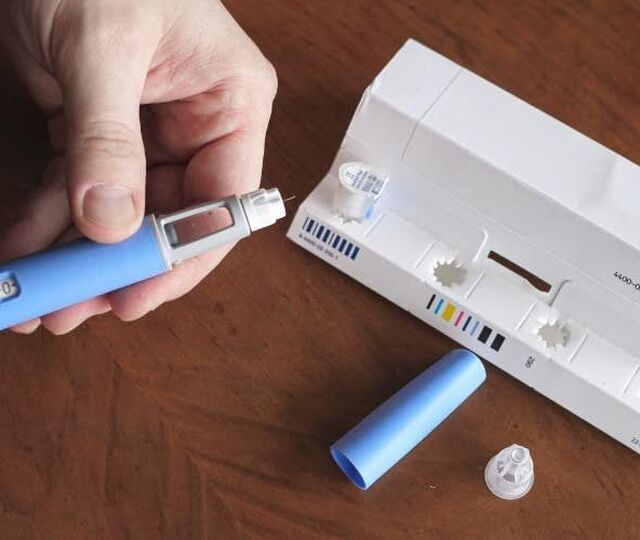
Mounjaro is one of the most popular injections available for weight loss. According to an article by the BBC, there are thought to be around 1.5 million people on weight loss drugs in the UK, with more than half of them on Mounjaro.
So, how much weight can you lose on Mounjaro in a month?
A realistic average is 2% - 4% of your starting body weight in the first four weeks, but it varies based on your body, diet, and exercise plan.
This guide outlines what to expect in month one of using Mounjaro for your weight-loss journey and how to achieve steady, safe progress with Curely.
Key Takeaways
- Most people lose 2% - 4% of their starting body weight in the first month of Mounjaro.
- Month one is about appetite control and routine-building, not dramatic transformation.
- Many people start on 2.5 mg and may not see significant changes until increasing to 5 mg or reaching a maintenance dose.
- Diet, exercise, hormones, stress, and underlying health conditions all influence results.
- Sustainable progress requires lifestyle changes alongside medication.
What is Mounjaro?
Mounjaro is the brand name for tirzepatide, a weekly injection for weight management in adults who meet eligibility criteria.
In the UK, it’s authorised for weight management in adults with obesity (BMI 30+) or overweight (BMI 27–30) who have at least one weight-related health condition, such as high blood pressure or prediabetes.
Mounjaro is an alternative to weight loss pills.
How Mounjaro Works in Your Body
Mounjaro is a weight loss injection that works by targeting two hormone pathways in hunger and blood sugar regulation:
- GLP-1 (glucagon-like peptide-1): Helps you feel fuller sooner and for longer.
- GIP (glucose-dependent insulinotropic polypeptide): Plays a role in appetite and metabolism.
You lose weight on Mounjaro because it helps you eat less without feeling like you’re constantly fighting cravings. It can slow the rate at which your stomach empties. Mounjaro can also encourage the pancreas to release more insulin, but only when your blood sugar is high.
When you’ve tried to lose weight through willpower alone, hunger can feel relentless. Mounjaro is an effective weight loss medication that changes that experience by:
- Making appetite feel less intense.
- Reducing cravings for high-sugar and high-fat foods in some people.
- Supporting portion control without constant mental effort
One Month Weight Loss Expectation on Mounjaro
According to The SURMOUNT-4 Randomized Clinical Trial, many people lose 2% - 4% of their initial body weight in the first month of Mounjaro.
While it's an effective weight loss medication, the first month is usually about early appetite changes and establishing a routine. Therefore, the changes may not be as dramatic as when the medication has been in your system for three months.
If your starting weight is 80 kg, then you could lose 2% of your body weight in four weeks, about 1.6 kg. If you lose 4%, that's 3.2 kg.
Why The Range?
People’s bodies respond differently. Your appetite, digestion, calorie intake, and side effects all play a part. It also depends on how consistently you can follow a healthy diet and engage in physical activity. Losing two to four kgs in month one can be a strong start.
Realistic Expectations in Week 1 vs. Week 4
Month one often looks like a two-phase experience:
Week 1 - 2:
Appetite often drops for many people.
You may lose some water weight (especially if you naturally eat fewer carbs or reduce snacking).
Side effects can be most noticeable as your body adjusts (nausea, bloating, constipation, diarrhoea, and tummy pain are common early issues).
Week 3 - 4:
Routines start to settle.
Food cravings may reduce further.
Fat loss shows on the scales and in how clothes fit.
Average weight loss of about 4%.
It’s normal if the scale doesn’t move every week. Hormones, hydration, salt intake, and constipation can all temporarily mask weight loss.
Does Dose Affect First Month Results?
Yes, dose can affect early weight loss. Many people start on 2.5 mg to build tolerance. You might still lose weight on it as it helps your body adjust and reduces side effects.
If you don’t lose much in the first weeks, it doesn’t automatically mean Mounjaro isn’t working. Some people don’t notice much change until they reach 5 mg or higher. Your doctor will usually prescribe a higher dose after the first month.
If your 5 mg dose is causing significant weight loss, then your general practitioner may advise you to stay on that strength. However, some people progress to a higher dose or a maintenance dose.
Once you find the highest amount you can tolerate, continue on it for longer-term results. It can be 7.5 mg, 10 mg, or 15 mg (the highest maintenance dose), depending on your body's response.
If your goal is to lose weight faster, focus first on improving your diet. The short answer to what to eat on Mounjaro is: Eat more protein and fibre. Drink more water and avoid pushing food intake too low. Also, take up a manageable exercise routine.
Why Am I Not Losing Weight on Mounjaro?
Two people can receive the same injection and have different outcomes. Here are the biggest factors that affect weight loss on Mounjaro:
Diet
Mounjaro will reduce your appetite, but you can't eat exactly the same way you did before. Instead, you need to make some diet and lifestyle changes.
If you’re eating very little but mostly snack foods, you may feel unwell and lose muscle instead of losing fat. Eating balanced meals with enough protein will help you feel better and get more consistent results.
Always eat a balanced diet rich in protein. Protein supports fullness, muscle maintenance, and better body composition as you lose weight.
Eating fewer calories does not mean starving yourself. A moderate calorie deficit is often enough when your appetite is already reduced.
Exercise
You must exercise if you want to keep losing fat while protecting your strength and energy levels. If you were previously active but stopped, month one on Mounjaro is a great time to restart gently.
Create a good exercise plan that fits into your routine. For example, consistent walking and two to three short strength sessions per week can be enough to make a big difference.
Other exercises to include:
- Dancing
- Swimming
- Aerobics
- Cycling
- Yoga
- Non-exercise activities such as taking the stairs, gardening, walking on phone calls, and cleaning the house.
Hormones (Women 30 - 45)
You may experience changes in oestrogen, progesterone, stress hormones, and insulin sensitivity. This can affect hunger, water retention, and where fat is stored.
The scale may fluctuate more across your cycle. You may also retain extra water at certain times of the month. Poor sleep can also affect appetite and cravings the next day.
It doesn't mean Mounjaro isn't working; rather, your weight-loss timeline will vary.
Underlying Health Conditions
If you’re doing everything right (low-calorie intake and exercise) and still not burning fat as expected, an underlying health condition could be slowing things down.
Some conditions known to affect weight loss include:
- Depression
- Thyroid disorders
- Type 2 diabetes
- Nutrient deficiencies
- Polycystic ovary syndrome (PCOS)
These don’t all affect weight in the same way. For example, Hypothyroidism can slow your metabolism, while depression may reduce motivation for physical activity or disrupt appetite patterns.
Diabetes and insulin resistance can affect blood sugar control and fat storage. In some cases, your body may prioritise stability over weight loss, especially if your system is already under strain.
Reveal any underlying conditions to your GP before you take Mounjaro. Also, speak to your clinician if you suspect an untreated condition is affecting your progress.
Stress
Stress can cause you to gain weight.
When you’re stressed, your body releases cortisol. High cortisol levels can encourage fat storage and increase cravings.
You will often eat more calories than your body needs. Over time, this can affect your weight-loss progress on Mounjaro.
If you're not losing weight but have high stress from work or your social life, try to reduce it. Practical techniques include:
- Yoga
- Meditation
- Regular exercise
- Improving sleep habits
- Therapy
The Dose Is Not High Enough
Not everyone loses a noticeable amount of weight on their first dose or on a lower dose.
It's advisable to start Mounjaro at a low dose to help your body adjust. Your clinician will gradually increase your dose over several weeks until you reach a manageable maintenance dose.
SURMOUNT-1 clinical trial data over 72 weeks showed average weight loss of:
- 16% on 5 mg
- 21.4% on 10 mg
- 22.5% on 15 mg
If you haven’t lost as much weight as you hoped in month one, it may simply be that you haven’t reached the right maintenance dose yet. However, don't rush the process. Moving up safely is more important than fast weight loss.
Mounjaro can help you lose weight faster than diet and exercise alone. But it still works as a gradual process.
The larger percentage losses reported in clinical studies happened over 72 weeks, not four. In the first month, your body is adapting to changes that influence appetite and blood sugar control.
You’re in a Weight Loss Plateau
A weight loss plateau happens when you’ve been steadily losing weight, and then it suddenly stops. It happens without any major lifestyle changes. This is normal.
Common reasons why it happens include:
- Temporary water weight retention.
- Hormonal shifts.
- Your body is conserving energy as weight drops.
- Changes in metabolism as you eat fewer calories.
If you think you’re in a plateau:
- Continue your Mounjaro treatment.
- Review your calorie intake.
- Slightly increase physical activity.
- Keep protein intake consistent.
- Avoid slashing calories dramatically, as it can make things worse.
Other Medications Might Be Affecting You
Some prescription medications can make weight loss harder by increasing appetite and increasing fluid retention. Examples include:
- Antidepressants: SSRIs or amitriptyline can cause weight gain.
- Corticosteroids: Can increase water retention and fat storage.
- Beta-blockers: Often used for high blood pressure, but can slow your metabolism and decrease energy levels, making it more challenging to exercise.
- Insulin: Diabetes treatments can promote fat storage, making weight loss challenging.
- Antipsychotics: Some can increase your appetite and change insulin sensitivity.
If you’re taking any of these medications, don't stop on your own. Instead, request a medication review. Your clinician can determine whether adjustments are possible.
Mounjaro May Not Be the Right Treatment for You
While rare, sometimes Mounjaro isn’t the best fit. Not everyone responds to medication the same way due to factors such as genetics and lifestyle.
However, before you assume it’s not working, monitor your progress. For example, you can keep a food diary, note your activity levels, measure yourself, and record side effects.
This helps you and your clinician determine whether the issue is the medication or other factors such as calorie intake or stress.
How to Maximise Weight Loss Safely in Month One
Month one sets the tone. Build habits you’ll still be doing in month three for better long-term results. Do the following during your first month and follow through with your treatment:
- Protein First at Meals: It helps with fullness and supports muscle while losing fat.
- Eat Enough to Function: If you’re dizzy, exhausted, or can’t sleep, your calorie deficit may be too aggressive.
- Build Meals Around Basics: Protein, vegetables, a fibre-rich carb (or fruit), and healthy fats.
- Hydrate and Add Fibre Slowly: Reduced appetite plus less food volume can cause constipation, which can stall the scale even if you’re losing fat.
Other Weight Loss Injections
There are alternative injections for people who can't take Mounjaro or haven't seen results with it. The following are suitable alternatives:
Wegovy
Wegovy (semaglutide) is a weekly injection. It’s a GLP-1 medicine, meaning it works mainly by regulating appetite and slowing digestion.
Wegovy also reduces the risk of cardiovascular disease.
According to a real-world study on weight loss with Wegovy (semaglutide), the estimated weight loss is 17% - 20%.
Saxenda
Saxenda (liraglutide) is a GLP-1 medicine, but it’s administered as a daily injection. According to a clinical review of Liraglutide (Saxenda), the average weight loss was 11%.
Comparison Table
| Treatment | Frequency | How it Works | Best For |
| Mounjaro (tirzepatide) | Weekly | Reduces appetite via GLP-1 + GIP | People needing stronger appetite control and longer-term support |
| Wegovy (semaglutide) | Weekly | Reduces appetite via GLP-1 | People who want a weekly GLP-1 option |
| Saxenda (liraglutide) | Daily | Reduces appetite via GLP-1 | People who are okay with daily injections |
You can also take weight-loss tablets such as Orlistat (Alli and Xenical). They're cost-effective and an alternative for people who are uncomfortable with injections. Also, Alli is easily accessible as an over-the-counter weight-loss medication.
Getting Mounjaro Safely with Curely
We're an online medical clinic and pharmacy that provides prescription weight-loss medications, including Mounjaro.
Let us help you reach your weight loss goals safely. You don’t need to visit a GP in person. Instead, our process is fast and can be done at home:
- Complete an Online Questionnaire: Answer detailed questions about your weight, medical history, medications, and lifestyle.
- Clinician Review: A prescribing clinician reviews your answers carefully. They may request additional information for accuracy.
- Personalised Recommendation: If you’re eligible, you’ll be prescribed the appropriate Mounjaro dose or offered alternative weight loss medications.
- Swift, Discreet Delivery: Medication is delivered directly to your door in discreet packaging.
Our consultation-led approach prioritises safety. If you’re ready to explore whether Mounjaro is right for you, start your consultation with Curely today.
FAQs
Can You Lose a Stone in a Month on Mounjaro?
It can happen, but it depends heavily on your starting body weight. A stone is about 6.35 kg. Weight loss in the first few weeks is 2% - 4% of the starting weight. To lose 6.35 kg, your starting weight must be about 159 kg, and you need to lose 4%.
Do You Lose Weight on 2.5 mg?
Some people do, especially if their appetite drops early. 2.5 mg is a lower dose that helps your body adjust and reduce side effects. Bigger losses may show as your dose increases under clinical guidance.
How Much Weight Can I Lose in 4 Weeks on Mounjaro?
You can lose 2% - 4% of your body weight in the first four weeks of taking Mounjaro. The exact number of kilos varies for everyone, depending on the weight you started at. For example, if you start at 100 kg, you could lose two to four kilos in four weeks.
Can I Drink Alcohol on Mounjaro?
Alcohol isn’t banned, but it can worsen nausea and reflux, especially in the early weeks when your body adjusts. Alcohol also adds calories quickly and can affect weight loss progress. If you choose to drink, do so in moderation and monitor how your body responds.
Conclusion
How much weight can you lose on Mounjaro in a month? A realistic range is around 2% - 4% of your starting weight. Dose, side effects, starting weight, diet, and exercise can determine how much weight you lose.
Month one is where appetite starts to settle, and you figure out what helps you feel good while losing fat. If you’re seeing reduced hunger and small but consistent losses, you’re on the right track.
References
- Fraser, O. (2025, September 20). bbc.com, How have weight loss drugs influenced diet culture?
- Clinical Review. (2021, December 1). ncbi.nlm.nih.gov; Canadian Agency for Drugs and Technologies in Health.
- Sinha, R., Papamargaritis, D., Sargeant, J. A., & Davies, M. J. (2023). Efficacy and Safety of Tirzepatide in Type 2 Diabetes and Obesity Management. Journal of Obesity & Metabolic Syndrome, 32(1).
- Toliver, J. C., Divino, V., Ng, C. D., & Wang, J. (2025). Real-World Weight Loss Among Patients Initiating Semaglutide 2.4 mg and Enrolled in WeGoTogether, a Digital Self-Support Application. Advances in Therapy, 42(10), 5010–5022.
- Triggle, N. (2025, August 14). Cost of weight loss drug Mounjaro
Explore similar blogs
Cialis vs Viagra: The Key Differences Explained

Wegovy Tablets Price UK: What Does the Wegovy Pill Cost?

Sildenafil vs Viagra: What Is the Difference?
Retatrutide Side Effects: What the Clinical Trials Have Found So Far
Bolt Pharmacy Mounjaro Prices: How Much Does It Cost in the UK?