
Wegovy is approved by the Medicines and Healthcare Products Regulatory Agency (MHRA) as a GLP-1 weight-loss medication. As a result, it's authorised in the UK in two distinct delivery formats for adults with obesity or overweight adults with a weight-related condition. Wegovy is available as a once-weekly subcutaneous injection, and the MHRA officially approved the pill (oral semaglutide) on 11 June 2026 as the UK’s first daily GLP-1 weight-loss tablet.
Both the pill and injection are intended as prescription-only adjuncts to a reduced-calorie diet and increased physical activity. So, when comparing Wegovy pill vs injection, neither is automatically better for everyone. That's why you need a prescription from a licensed healthcare provider who considers effectiveness, dosing routine, side effects, your medical history, and treatment preferences.
Wegovy Pill vs Injection: Key Differences At a Glance
Wegovy Pill and Injection are weight loss medications that contain the same active ingredient, semaglutide. Semaglutide is a GLP-1 receptor agonist that acts on receptors involved in appetite regulation, helping you feel fuller and less hungry. The main differences come from how the medicine reaches your bloodstream and how often you need to take it.
Wegovy Pill and Injection Comparison Table
| Feature | Wegovy Pill | Wegovy Injection |
| Active ingredient | Semaglutide | Semaglutide |
| Form | Oral tablet | Subcutaneous injection |
| How often is it taken? | Once daily | Once weekly |
| Starting dose | 1.5mg daily | 0.25mg weekly |
| Standard maintenance dose | 25mg daily | 2.4mg weekly |
| Higher-dose option | None above 25mg | 7.2mg for some adults with obesity, if clinically appropriate |
| Fasting required? | Yes, at least 8 hours before taking it | No |
| Water | Up to 120ml | Not applicable |
| Wait before food or other oral medicines | At least 30 minutes | No food-related waiting period |
| Needle required? | No | Yes |
| Storage | No special temperature conditions | Refrigeration before first use |
| Prescription required? | Yes | Yes |
Swallow the daily tablet whole on an empty stomach after a fast of at least eight hours, and use no more than 120ml of water. You then need to wait at least 30 minutes before eating, drinking, or taking other oral medicines. Conversely, you can take the weekly injection at any time of day, with or without food.
For a broader introduction to the medicine, read our guides on what is Wegovy and how does Wegovy pill work. They explain how Wegovy helps people achieve steady weight loss and maintain a healthy weight long-term.
Are Wegovy Pills as Effective as Wegovy Injections?
Effectiveness is often the deciding factor when comparing the Wegovy pill vs injection. OASIS 1 trial done by Knop et al. (2023) on oral semaglutide (50 mg) found that it achieved 15.1% mean body weight loss in treatment-policy analyses and 17.4% among treatment completers over 68 weeks. STEP 1 trial by Wilding et al. (2021) found that subcutaneous semaglutide (2.4 mg) achieved 14.9% mean body weight loss in the primary treatment-policy estimand and 17.5% among completers (trial-product estimand) over 68 weeks.
However, these figures come from separate clinical trials, not a head-to-head study. Therefore, don't interpret the percentages as proof that one form is definitively more effective than the other because of differences in study populations, duration, and statistical methods.
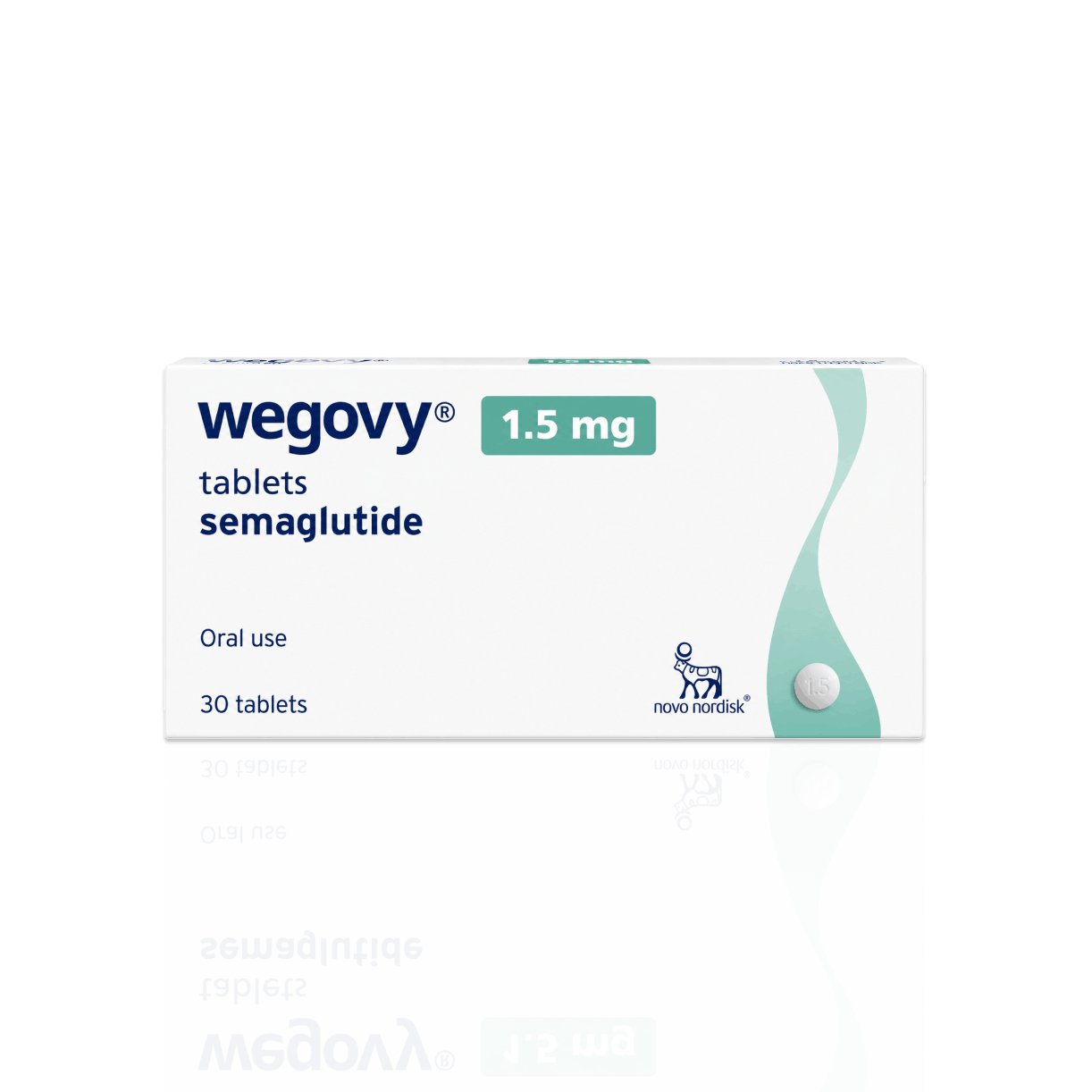
Wegovy Pill
Weight loss support without injections
View Wegovy OptionsWegovy Pill Weight Loss Results
The main evidence for the Wegovy pill (Oral Semaglutide 25 mg) comes from OASIS 4, a 64-week phase 3b clinical trial involving 307 adults with obesity or overweight and at least one weight-related health condition. Participants also followed a reduced-calorie diet and increased their physical activity (Wharton et al., 2024).
In the trial's primary analysis, people assigned to oral semaglutide 25mg lost an average of 13.6% of their body weight, compared with 2.2% in the placebo group. Around 27.5% of participants taking oral semaglutide achieved weight loss of at least 20%.
You may also see a 16.6% average weight loss figure quoted for the pill. This number comes from a different statistical estimate that assumed participants remained on treatment and didn't use another obesity treatment. It shouldn't replace the 13.6% result from the trial's primary treatment-policy analysis.
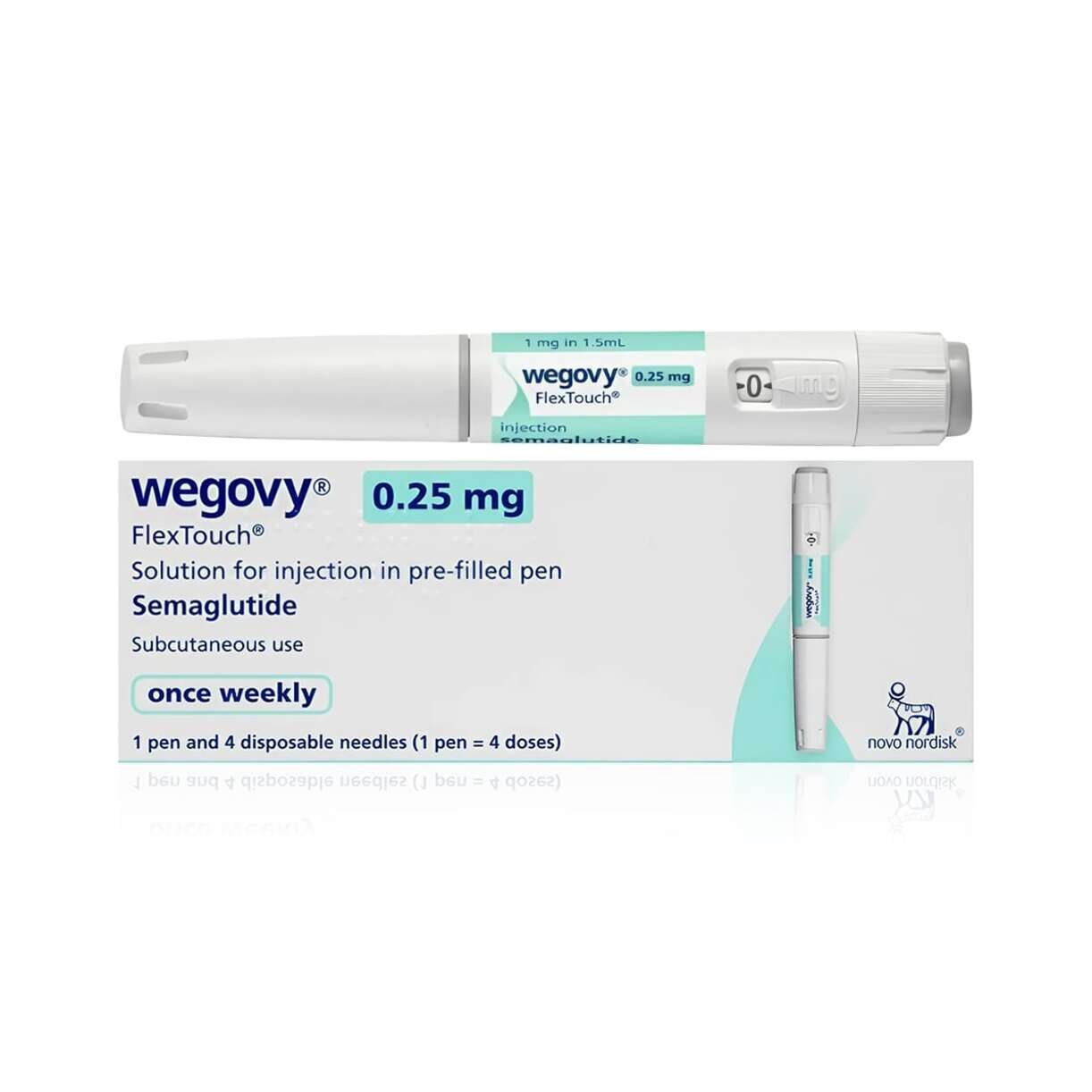
Wegovy injection
Supports appetite control and weight loss
View Wegovy OptionsWegovy Injection Weight Loss Results
There's substantially more clinical trial experience for subcutaneous semaglutide injection because it has been available for longer.
Wegovy 2.4mg
In the 68-week STEP 1 clinical trial, the 2.4mg weekly injection produced a mean body-weight reduction of 14.9%, compared with 2.4% for placebo. Approximately 30.2% of participants taking semaglutide achieved at least 20% weight loss. Just like in OASIS 4, participants also received lifestyle support involving a reduced-calorie diet and increased physical activity.
Researchers also looked at the results for people who stayed on treatment throughout the study. In this analysis, average weight loss was 16.9%. This explains why you may see different weight-loss figures for Wegovy in clinical research. The percentage can depend on how researchers analyse the trial results.
Wegovy 7.2mg
Wegovy is also available in the UK as a 7.2mg weekly injection dose for certain adults with obesity when a higher dose is clinically appropriate. In a 72-week STEP UP trial done by Wharton et al. (2025), participants assigned to 7.2mg semaglutide lost an average of 18.7% of their starting body weight under the trial's primary analysis.
The corresponding result for the 2.4mg group in this trial was 15.6%. An analysis estimating what would happen if participants remained on their assigned treatment reported reductions of 20.7% with 7.2mg and 17.5% with 2.4mg.
So, Which Works Better?
Based on separate clinical trial findings, the Wegovy pill and 2.4mg injection have broadly comparable average weight-loss results. You can't conclude that one is better based on these studies alone because OASIS 4 and STEP 1 don't compare the two formulations directly.
The 7.2mg injection did produce greater average weight loss than the 2.4mg injection in STEP UP, where the researchers compared the two injection doses. Your individual results may differ considerably from trial averages. Follow the prescribed dosing instructions, too, particularly with oral semaglutide, because food, water, and timing can change how much medicine your body absorbs.
What Makes the Wegovy Pill and Injection Doses So Different?
Seeing a 25mg Wegovy pill compared with a 2.4mg injection can make it look as though the tablet contains more than ten times the effective dose. Both the Wegovy pill and injection contain semaglutide and work through the same GLP-1 pathway.
The difference is the route the medicine takes into your body. A Wegovy injection places semaglutide under the skin, while oral semaglutide has to pass through the stomach before enough reaches the bloodstream. This difference has a substantial effect on absorption.
Oral Semaglutide Has Lower Bioavailability
Bioavailability means the proportion of the medicine that reaches your circulation in a form your body can use. The estimated absolute bioavailability of oral semaglutide is only around 1-2%. Wegovy tablets contain salcaprozate sodium, also known as SNAC, which helps semaglutide cross the stomach lining and enter the bloodstream.
Even with this absorption aid, most of the oral dose doesn't reach the circulation. Taking the daily pill with food or too much water can reduce absorption further.
25mg Tablet vs 2.4mg Injection Doesn't Mean 10× Stronger
The clearest way to understand the dose difference is to look at how much semaglutide is present in the bloodstream once treatment reaches a steady level. According to the summary of product characteristics by MHRA (2026), the average steady-state concentration is approximately 77 nmol/L with the 25mg oral dose and 75 nmol/L with the 2.4mg injection.
The much larger dosage on the tablet doesn't mean it's ten times stronger. The higher oral dose compensates for the small proportion that gets absorbed. Oral absorption also varies more from person to person than absorption of an injection.
Wegovy Pill vs Injection: Dosage Schedule and Daily Routine
The two formulations contain the same medicine, but they require different dosage schedules and routines. This may be just as important as the clinical trial data when considering which format might fit your routine.
Wegovy Pill Dose Escalation
According to the MHRA, the current UK Wegovy pill dosage schedule gradually increases the daily dose as follows:
| Treatment Stage | Daily Dosage |
| Month 1 | 1.5mg |
| Month 2 | 4mg |
| Month 3 | 9mg |
| Month 4 onwards | 25mg maintenance dose |
There must be at least one month at each dose level. However, a prescriber can decide to keep you at a lower dose for longer when clinically appropriate. The maximum recommended oral dose is 25mg once daily.
How to Take the Wegovy Pill
Oral Wegovy has more specific dosing instructions than the injection. You're required to take the daily tablet after fasting for at least eight hours. Swallow it whole with up to 120ml of water. Don't split, crush, or chew it.
Wait at least 30 minutes before eating, drinking, or taking other oral medicines. Taking food, more water, or another tablet too soon can reduce the amount of semaglutide absorbed. If you miss a dose, skip it and take your next dose the following day rather than taking a double dose the same day.
Wegovy Injection Dosage Schedule
The MHRA's standard Wegovy injection dosage schedule also uses gradual dose escalation:
| Weeks | Weekly Injection Dose |
| 1-4 | 0.25mg |
| 5-8 | 0.5mg |
| 9-12 | 1mg |
| 13-16 | 1.7mg |
| Maintenance | 2.4mg |
For eligible adults with obesity, the prescriber can increase the dose to 7.2mg after at least four weeks at 2.4mg if they consider this clinically appropriate.
You can take the injection once a week at any time of day, with or without meals. The MHRA recommends injecting under the skin of the abdomen, thigh or upper arm, so you can change the injection site.
Which Routine Is Easier?
The pill may feel simpler if you don't like needles, and you already have a predictable morning routine. It also doesn't need special temperature storage conditions. The injection may be easier if you prefer a weekly dosing schedule, take several medicines first thing in the morning, or would find an eight-hour fast followed by a 30-minute waiting period difficult.
There's no food-related timing requirement with the injection, although you need to refrigerate unused Wegovy pens before first use.
Wegovy Pill vs Injection Side Effects
Because both forms use the same active ingredient, they share many of the same side effects. The exact frequency can differ, and the available percentage differences come from separate trials rather than a direct tablet-versus-injection study. For a broader safety overview, read our guide on Wegovy side effects.
Side Effects Both Forms Share
Common gastrointestinal effects that both forms share include:
- Nausea
- Vomiting
- Diarrhoea
- Constipation
- Abdominal discomfort
- Indigestion
Some people also experience headache. These gastrointestinal effects are particularly common as the dose increases. You can use gradual dose escalation to make treatment easier to tolerate.
Does the Pill Cause More Stomach Side Effects?
Nausea and vomiting were reported more frequently with the pill in the clinical trials, while diarrhoea and constipation were reported more frequently with the 2.4mg injection. These percentages are useful for context, but they aren't a head-to-head comparison. Oral data came mainly from OASIS Trials, while the injection figures were drawn from the STEP 1 trials.
In the OASIS 1 Trial, gastrointestinal events were reported in 80% of participants overall, with nausea occurring in 44% to 48% of oral semaglutide users. Dyspepsia (indigestion/heartburn) occurred in 18% of daily oral semaglutide participants (compared to ~10% in subcutaneous injection trials).
In the STEP 1 trial, injection-site reactions (e.g., local redness, itching, swelling, or pain at the needle insertion site) occurred in 4.5% to 5.0% of participants receiving weekly subcutaneous injections. Diarrhoea was reported in 31.5% of participants receiving weekly semaglutide injections (vs. 15.9% for placebo).
When to Seek Medical Advice
Speak to a healthcare professional if the side effects are severe, persistent, or make it difficult to eat and drink normally. Vomiting and diarrhoea can cause dehydration, which can be particularly important for people with kidney problems.
Semaglutide is also associated with less common but potentially serious problems, including acute pancreatitis and gallstone disease. Sudden loss or deterioration of vision also needs urgent medical assessment because semaglutide has been linked to a very rare eye condition called non-arteritic anterior ischaemic optic neuropathy (NAION).
Which Is Better: Wegovy Pill or Injection for Your Routine?
There isn't one answer to which is better, Wegovy pill or injection. Effectiveness matters, but so does your ability to take the medicine correctly and consistently for the period recommended by your prescriber.
Wegovy Pill
Choose the Wegovy pill if you strongly dislike needles or would prefer an oral medicine. It may also work well with your routine if you can reliably take it after an eight-hour fast and leave at least 30 minutes before breakfast, coffee, or other morning tablets.
Storage is less restrictive too. The tablet doesn't require special temperature conditions, although you should keep it in its original blister packaging to protect it from moisture and light.
Wegovy Injection
The Wegovy injection may suit you if you prefer treatment once a week rather than remembering a daily pill. There's no fasting requirement, and you don't need to schedule other oral medicines around your Wegovy dose. The injection is more practical if you have an irregular morning routine or take important tablets as soon as you wake up.
You may also need to discuss the injectable form if your prescriber considers the licensed 7.2mg dose appropriate. There's no oral Wegovy dose above 25mg in the current UK product information.
So, Which Is Better?
Neither is automatically better. The pill eliminates needles, while the injection removes daily fasting. However, your medical history, current medication, previous side effects, and any weight-related health condition also need to form part of your clinical assessment.
At Curely, our online weight-management consultation allows a prescriber to review these details and discuss suitable treatment options. This means no unnecessary GP, pharmacy, and in-person appointment visits, with eligible private treatment dispensed and delivered discreetly.
Can You Switch From Wegovy Injection to the Pill?
Potentially, switching from Wegovy injection to the pill is possible. However, it should be managed by a prescriber because oral absorption varies more than absorption from an injection.
Switching from 2.4mg Wegovy
If you're already taking the 2.4mg weekly injection, you can transition to a 25mg daily tablet, starting one week after your final injection. This creates a clear route for switching from the established maintenance injection dose to oral treatment when a clinician decides that doing so is appropriate.
This doesn't mean every injectable dose has a simple tablet equivalent. Don't change your current dose or stop injections purely to follow a generic switching schedule found online.
Switching Needs Prescriber Oversight
The body doesn't absorb oral Wegovy as consistently as the injection, so switching between the two isn't simply matching one dose to another. That's why you'll need the oversight of a licensed prescriber. They can review your current dose, how well the treatment is working for you, any side effects you've experienced, and medical history before deciding how to switch safely.
If you're considering treatment, read our guide on how to get Wegovy in the UK to learn more about eligibility and accessing treatment.
Frequently Asked Questions
Why Is the Wegovy Pill 25mg but the Injection Only 2.4mg?
Your body absorbs much less semaglutide from a tablet than from injected semaglutide, so the pill needs a higher dose. The recommended maximum dose for the pill is 25mg daily, while the standard maintenance injection is 2.4mg weekly. Eligible adults with obesity may be prescribed a higher 7.2mg weekly injection.
Do Wegovy Injections Work Faster Than the Pill?
There's no clear evidence that weight loss injections work faster than the pill. In OASIS 4, people who remained on the 25mg pill throughout treatment lost an estimated 16.6% of their body weight on average. However, the pill and injection studies weren't direct comparisons, and everyone's weight loss journey tends to be different.
Can I Take the Wegovy Pill With My Other Morning Medicine?
Don't take oral Wegovy at the same time as your other tablets. Take it after fasting for at least eight hours, then wait at least 30 minutes before eating, drinking, or taking other oral medicines. Wegovy also delays stomach emptying, so speak to your pharmacist or prescriber about medicines that need careful timing.
What Happens if I Eat Too Soon After Taking Oral Wegovy?
Eating or drinking too soon can reduce how much semaglutide your digestive system absorbs. For effective daily dosing, swallow the pill whole with up to 120ml of water after fasting for at least eight hours. Wait at least 30 minutes before eating, drinking, or taking another oral medicine.
Does the Wegovy Pill Cause More Side Effects Than the Injection?
Both forms can cause digestive side effects. In OASIS 4, around 31% of pill users experienced vomiting, while nausea affected around 47%. This doesn't mean the pill causes more side effects overall, as the figures for the pill and injection come from separate clinical trials and most patients won't experience every listed side effect.
Is the Wegovy Pill the Same as Rybelsus?
No. Although both contain semaglutide, they aren't used in the exact same way. Oral Wegovy was approved for weight management in the UK in June 2026, while Rybelsus is licensed for type 2 diabetes. They also have different dosing schedules, so you can't use them interchangeably.
Is the Wegovy Pill Cheaper Than the Injection in the UK?
Your monthly cost will depend on the provider and prescribed dose. The 7.2mg injection is generally more expensive than the pill. The pill doesn't require cold storage, while unused Wegovy injection pens need refrigeration, but this doesn't necessarily mean oral Wegovy will cost less. For current costs, read our guide on Wegovy UK price comparison.
Conclusion
The Wegovy pill and injection contain the same medicine, semaglutide, but they come in very different formats. In separate trials, oral 25mg Wegovy produced a 13.6% average reduction in body weight over 64 weeks, while the 2.4mg injection produced 14.9% over 68 weeks. The higher 7.2mg injection achieved 18.7% in the STEP UP trial. These averages don't predict exactly how much weight any individual will lose.
For many people, the practical choice comes down to daily fasting versus a weekly injection. The tablet eliminates needles but requires strict administration on an empty stomach. The injection has no fasting requirement but involves using an injection pen and managing its storage.
Whichever format you're considering, suitability depends on an individual clinical assessment. Start with a short consultation with a licensed healthcare provider. A prescriber can then assess your health and medical history and prescribe Wegovy as a pill or injection.
References
- Medicines and Healthcare products Regulatory Agency (MHRA). First GLP-1 tablet for weight loss approved in the UK. Published 11 June 2026.
- Medicines and Healthcare products Regulatory Agency. (2026). Summary of Product Characteristics: Wegovy (semaglutide) tablets and solution for injection. GOV.UK Electronic Medicines Compendium (emc).
- Electronic Medicines Compendium. Wegovy solution for injection – Summary of Product Characteristics, including STEP 1 and STEP UP data.
- Knop, F. K., Aroda, V. R., do Vale, R. D., Holst-Hansen, T., Laursen, P. N., Rosenstock, J., ... & Garvey, W. T. (2023). Oral semaglutide 50 mg taken once per day in adults with overweight or obesity (OASIS 1): a randomised, double-blind, placebo-controlled, phase 3 trial. The Lancet, 402(10403), 705-719.
- Wharton, S., Lingvay, I., Bogdanski, P., Duque do Vale, R., Jacob, S., Karlsson, T., ... & Garvey, W. T. (2025). Oral semaglutide at a dose of 25 mg in adults with overweight or obesity. New England Journal of Medicine, 393(11), 1077-1087.
- Wharton, S., Freitas, P., Hjelmesæth, J., Kabisch, M., Kandler, K., Lingvay, I., ... & Garvey, W. T. (2025). Once-weekly semaglutide 7· 2 mg in adults with obesity (STEP UP): a randomised, controlled, phase 3b trial. The Lancet Diabetes & Endocrinology, 13(11), 949-963.
- Wilding, J. P. H., Batterham, R. L., et al. (2021). Once-Weekly Semaglutide in Adults with Overweight or Obesity. The New England Journal of Medicine, 384(11), 989–1002.
Explore similar blogs
Bolt Pharmacy Mounjaro Prices: How Much Does It Cost in the UK?
Best Weight Loss Pills UK: Top Options Available in 2026

Juniper Mounjaro Price: How Much Does It Cost in the UK?
MedExpress Mounjaro Prices: How Much Does It Cost in 2026?

Foundayo Price Comparison: Is the New UK Weight Loss Pill Affordable?