Before taking Ozempic for weight loss or type 2 diabetes treatment, you need to understand what Ozempic is, how it works, and compare it with other approved medications in the UK. Ozempic contains the active compound semaglutide and is a GLP-1 receptor agonist used to control hyperglycemia (blood sugar levels) in type 2 diabetes. It acts as a naturally occurring hormone that helps control insulin and appetite.
In the UK, Ozempic is licensed solely for treating diabetes, not for weight loss purposes. However, it’s frequently prescribed ‘off-label’ to manage body weight, among other uses. This guide explains its licensed uses, off-label trends, clinical trial evidence, how much weight you can lose, side effects, and safety information.
What Is Ozempic?
Ozempic is a once-weekly injection of subcutaneous semaglutide that works by imitating a hormone called GLP-1, which is produced in your body after you eat food. This hormone stimulates the secretion of insulin, decreases glucagon, and slows down the emptying of food from the stomach, thus lowering blood sugar and appetite.
Healthcare professionals in the UK prescribe Ozempic to adults diagnosed with type 2 diabetes to regulate high blood sugar levels and prevent major adverse cardiovascular events such as stroke or non-fatal myocardial infarction. The starting dose is 0.25 mg, increased gradually to a maintenance dose of 0.5 mg to 1 mg, depending on your tolerance and response to treatment.
While Ozempic is only licensed for treating diabetes, there are similar Weight loss injections approved in the UK. For instance, our weight-loss formulation Wegovy injection, which has the same active ingredient as Ozempic, is approved for body weight management. The estimated treatment difference lies in the dosing as Wegovy reaches a maintenance dose of up to 2.4 mg weekly.
At Curely, we provide UK-licensed weight management alternatives like Mounjaro and Saxenda through a quick online consultation, with free, discreet delivery on orders over £20. If you're considering Ozempic for weight loss, we're here to help with UK-licensed, effective alternatives.

How Does Ozempic Work?
Ozempic is the only available medication in its class (GLP-1 receptor agonist) proven to reduce the risk of worsening renal impairment, kidney failure, and death from cardiovascular disease in people with chronic kidney disease. It acts by increasing the effect of GLP-1 receptors in the pancreas, brain, and gut. This is how it helps you:
- Reduces blood glucose levels by secreting insulin when blood sugar is high.
- Lowers glucagon, a hormone that increases blood glucose.
- Slow gastric emptying, meaning glucose absorption into the bloodstream is slower.
- Suppresses appetite, which helps reduce calorie intake.
The combined effect of these is improved glycemic control, reduced food cravings, and significant weight loss. Ozempic does this by stimulating your body to produce more insulin, which helps reduce blood glucose (sugar) levels.
Effects on the Body
- Central Appetite Control: Semaglutide acts on the brain's hunger centres, reducing cravings.
- Slow Digestion: Retains food in the stomach for a longer period, making you feel full sooner and longer.
Effects on Blood Glucose and Metabolic Health
- Reduced HbA1c and fasting glucose.
- Lower blood sugar levels and reduced blood pressure.
- Beneficial impact on the lipid profile, thus lowering the risk of cardiovascular events.

Clinical Efficacy: What Do the Trials Show?
Large clinical trials demonstrate that Ozempic has high efficacy for glycemic control and weight reduction. In the SUSTAIN clinical trials, patients lost an average of 15% of their weight over 68 weeks, as reported by Gleason et al. (2024) in the Journal of Managed Care & Speciality Pharmacy. In a cardiovascular outcomes trial (SELECT), semaglutide reduced the risk of cardiovascular events, such as stroke and heart attack, by 20%, even in patients who lost little or no weight (Rimmer, 2025).
The Lancet (Deanfield et al., 2025) confirmed that semaglutide improved outcomes across all baseline blood sugar levels, affirming its role beyond diabetes management. Additionally, severe hypoglycemia was reported infrequently in the trials involving Ozempic.
Weight Loss and Health Outcomes
- Patients who lose weight while taking Ozempic often experience a reduction in systolic blood pressure.
- Ozempic also slightly lowers diastolic blood pressure, which helps protect the cardiovascular system.
- Benefits are evident even in people without cardiovascular disease.
Additional Benefits
- Lower risk of cardiovascular death and heart failure.
- Fewer diabetic retinopathy complications.
- Better glucose control.
- Decreased risk of nephropathy aggravation and renal failure, especially for patients with chronic kidney disease or impaired renal function.
An article published in BMJ (Lang, 2025) confirms that semaglutide treatment is highly effective, even in adolescents, resulting in substantial reductions in body fat and basal insulin dose requirements. Ozempic is effective for weight loss and also prevents dangerous events in the cardiovascular system and protects organs at risk due to diabetes. However, rapid weight loss due to Ozempic might give you an 'Ozempic Face' or 'loose skin,' so use it in moderation.

Side Effects, Safety, and Adverse Events
Severe side effects associated with Ozempic are also possible, although they’re not very common. There’s a black box warning associated with the use of Ozempic for the potential development of thyroid cancer. People with a history of pancreatitis are also not usually treated with Ozempic.
What You Might Experience
The most frequent side effects of Ozempic use are related to the digestive system and include:
- Nausea
- Vomiting
- Diarrhoea
- Constipation
Most of these occur when patients are starting Ozempic treatment and can also diminish over time.
Serious Risks
- Acute pancreatitis (inflammation of the pancreas).
- Possible increased risk of thyroid cancer.
- Aggravation of diabetic retinopathy in patients already having complications.
- Any kidney problems could be exacerbated by dehydration.
- Cases of treatment discontinuation because of intolerable side effects.
Patients with new or worsening nephropathy, heart disease, or a history of pancreatitis may require alternative treatments. Inform your healthcare provider if you have any of these conditions. Injection-site reactions occur, but in a low percentage of people treated with Ozempic.
Alcohol and Safety
You should be careful when drinking alcohol in conjunction with Ozempic because it can worsen digestion problems and the risk of hypoglycemia when taking other diabetes medications. As a precaution, always report any adverse drug reaction experiences through the MHRA Yellow Card Scheme.

Cost, Access, and Health Insurance
In the UK, Ozempic treatment is only available through the NHS for diabetes, not for weight management.
How to Access It
- NHS: Available only for diabetes management.
- Private Clinics: Some prescribe it off-label for weight-loss treatments at prices upwards of £200/month.
Insurance and Pricing
- Health insurance usually covers Ozempic only if it’s prescribed for diabetes.
- Unregulated online sources present increased risks; avoid buying from non-verified sellers.
The cost of Ozempic can vary based on factors such as the pharmacy you use and your treatment plan. Ozempic isn't currently available in generic form, which affects its cost. If you're considering Ozempic for weight loss management, always discuss the cost and insurance coverage with your healthcare provider.

Ozempic vs Other Medications
Ozempic vs Wegovy
- Ozempic and Wegovy contain the same active ingredient, semaglutide, but have different approved uses.
- Wegovy uses a higher dose, up to 2.4 mg weekly.
- Wegovy is licensed for weight management in the UK.
- The average weight loss after a month on Wegovy is around 2%, but this can vary from person to person.
Ozempic vs Mounjaro
- Mounjaro contains tirzepatide, which acts on GLP‑1 and GIP receptors.
- More effective than Ozempic in head-to-head trials for weight loss.
Ozempic vs Saxenda
- Saxenda uses liraglutide, another GLP‑1 receptor agonist.
- Requires daily injections and generally results in less weight loss.
- Ozempic and Saxenda have some of the same side effects, including diarrhoea, nausea, and pancreatitis.
- Ozempic is not approved by the FDA for weight loss, while Saxenda is specifically approved in the UK for weight management.
Efficacy and Side Effects
- Ozempic delivers steady, sustainable results.
- Mounjaro offers rapid results but may cause more nausea.
- Saxenda suits patients who prefer daily dosing and have contraindications to semaglutide.
Frequently Asked Questions
Is Ozempic Licensed for Weight Loss in the UK?
No. Ozempic is licensed in the UK for the management of type 2 diabetes, not for weight loss. When Ozempic is prescribed off-label for weight loss, it lacks formal approval from regulatory bodies like the National Institute for Health and Care Excellence (NICE). Wegovy is a similar alternative with a higher dose of semaglutide, licensed and recommended for weight management in the UK.
How Much Weight Can I Lose?
In clinical trials, patients treated with Ozempic lost up to 15% of their body weight over 68-104 weeks (Gleason et al., 2024). A systematic review of semaglutide trials shows it outperforms insulin glargine, sitagliptin, and other diabetes drugs for weight and glucose control. However, weight loss depends on adherence to a balanced diet and exercise, as well as your individual metabolism.
What If I Miss an Ozempic Dose?
If you've missed a dose and it’s within five days, take it as soon as possible. If more than five days pass, skip that week’s dose and take your next injection as scheduled. Avoid doubling up to compensate, as this increases the risk of side effects. Always follow your prescriber’s instructions to avoid missing doses.
Does Ozempic Cause Kidney Issues?
Ozempic may affect kidney function, particularly in those with chronic kidney disease. A worsening of renal function has been reported in patients treated with Ozempic who experience vomiting or dehydration. Always monitor your hydration levels and kidney markers if you’re at risk.
Is Ozempic Safe for People With High Blood Pressure?
Yes, and it may actually help. Clinical trials showed reductions in systolic and diastolic blood pressure. These changes contribute to reduced risks of cardiovascular events, including non-fatal stroke and cardiovascular death. According to the American Diabetes Association, semaglutide offers treatment arms for patients with cardiovascular disease by regulating blood sugar levels.
What’s the Difference Between Ozempic and Mounjaro?
Mounjaro uses tirzepatide, which targets both GLP‑1 and GIP receptors, offering more potent effects than Ozempic. In clinical trials, it outperformed Ozempic across both treatment effect and weight-loss outcomes. Mounjaro is a better option if Ozempic doesn’t achieve your desired results or causes side effects.
Can I Inject Ozempic Myself?
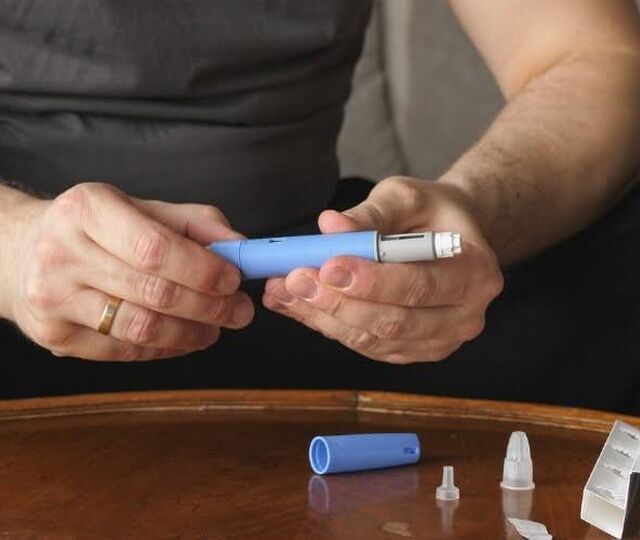
Yes, Ozempic comes in a user-friendly pen for weekly injection. You inject it subcutaneously into your abdomen, thigh, or upper arm. Unlike some medications, Ozempic isn't available in tablet form, so oral administration isn’t an option. Your pharmacy or prescriber will guide you through the process.
Is Ozempic Safe for Long-Term Use?
Long-term studies, including repeated measurements of weight and HbA1c, show sustained improvements in glucose control and weight. The primary objective of most trials was to assess glycaemic control and risk reduction of major cardiovascular events, including non-fatal myocardial infarction and non-fatal stroke. Trials done by The Lancet (Fallows, 2023) measured composite outcomes, including reductions in all-cause death and cardiovascular risk.
Can Ozempic Cause Diabetic Ketoacidosis?
While rare, diabetic ketoacidosis can occur, especially in those on combination therapy or with poorly managed diabetes. If you experience symptoms like nausea, confusion, or breathlessness, seek urgent medical help.
Conclusion
Ozempic can help lower blood sugar, reduce cardiovascular events, and help you lose weight, but it’s not officially approved for weight loss in the UK. Using it off-label comes with risks and isn't suitable for long-term, safe use.
For safe, effective weight-loss alternatives to Ozempic, consider UK-licensed options like Wegovy and Mounjaro from Curely. Complete a quick consultation, and we’ll help you find the right treatment for your goals, with discreet delivery, no GP visits, and professional guidance. Take control of your health today. Start your consultation now.
References
Deanfield, J., et al. (2025). Semaglutide and cardiovascular outcomes by baseline: A prespecified analysis of the SELECT trial. The Lancet
Fallows, E. (2023). Semaglutide and the future of obesity care in the UK. The Lancet, 401(10394), 2093-2096.
Gleason, P. P., Urick, B. Y., Marshall, L. Z., Friedlander, N., Qiu, Y., & Leslie, R. S. (2024). Real-world persistence and adherence to glucagon-like peptide-1 receptor agonists among obese commercially insured adults without diabetes. Journal of Managed Care & Speciality Pharmacy, 30(8), 860-867.
Lang, K. (2025). Can weight loss drugs like Ozempic treat obesity in children? BMJ, 388, q2656.
Rimmer, A. (2025, October 22). Weight-loss drugs: Semaglutide boosts heart health regardless of how much weight patients lose, study suggests. BMJ.

Explore similar blogs
What's the New Weight Loss Pill? Wegovy, Foundayo, and What’s Next
Cialis vs Viagra: The Key Differences Explained

Wegovy Tablets Price UK: What Does the Wegovy Pill Cost?
Sildenafil vs Viagra: What Is the Difference?
Retatrutide Side Effects: What the Clinical Trials Have Found So Far